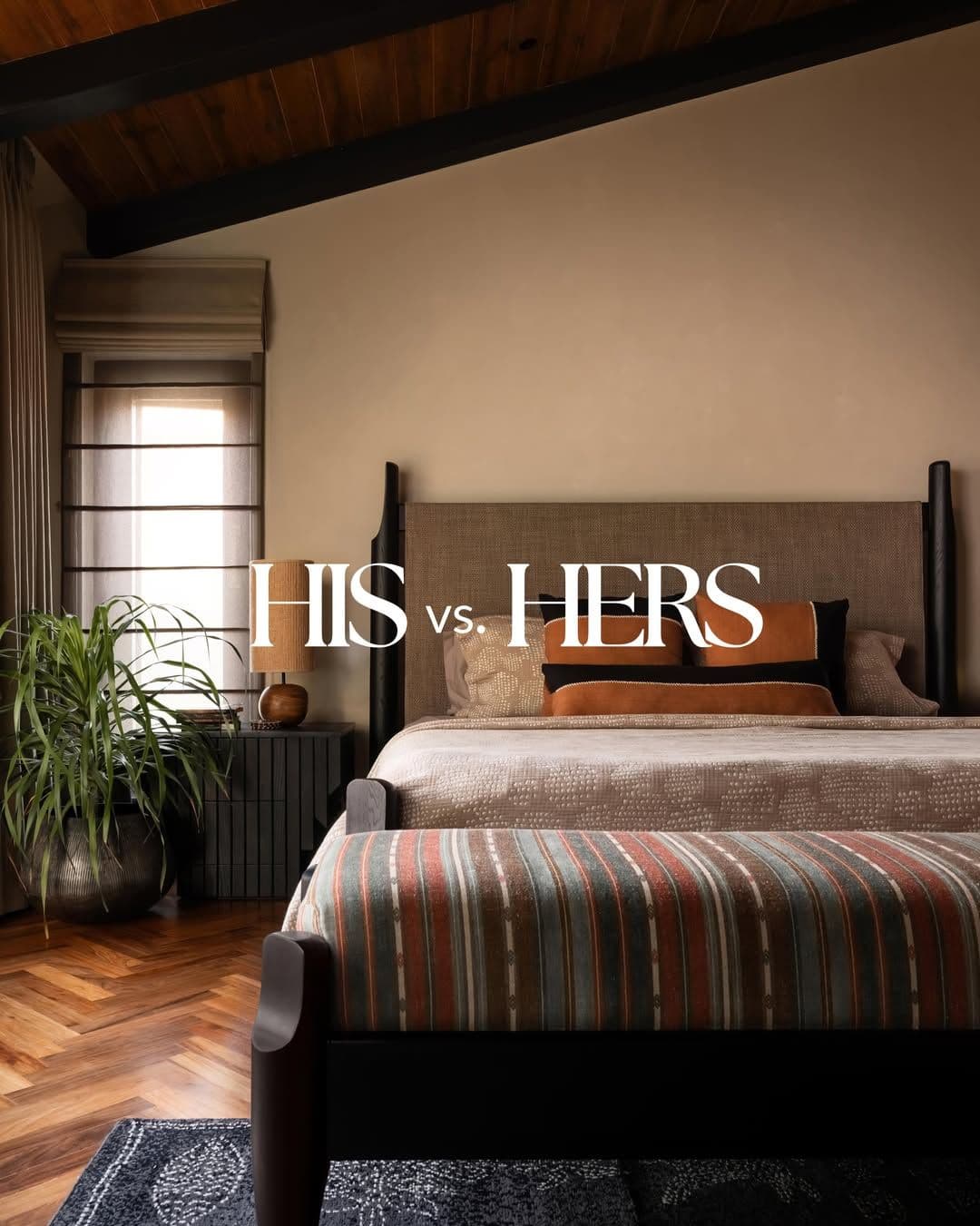
The wedding cake has been eaten, the thank-you notes are officially in the mail, and the last of the stray confetti has been vacuumed out of your suitcases. The big day was a beautiful, dizzying whirlwind—but now comes the real adventure. The day after the big day. And every day after that.
Welcome to the nesting phase.
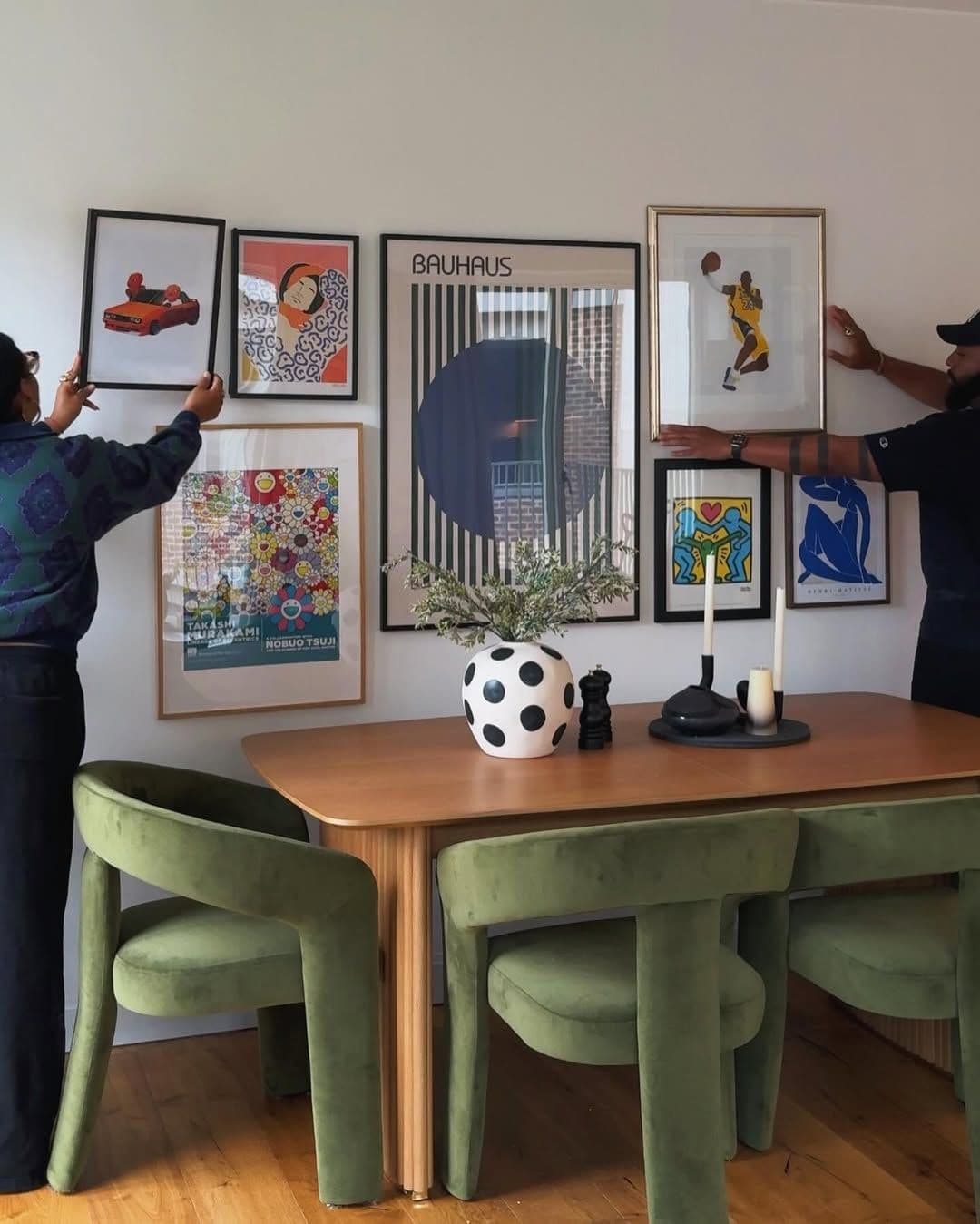
photo credit: @sucasa.studio_
For many newlyweds, moving in together or combining two established households is the first true test of marital compromise. It is the exact moment where your abstract discussions about a shared future ground themselves in the physical reality of a shared living room. Suddenly, you aren't just choosing a life partner; you are choosing whether his battered leather recliner from college can peacefully coexist with her pristine, mid-century velvet sofa.
Merging two distinct design aesthetics into one cohesive, comforting sanctuary doesn’t have to result in decor warfare. With a little strategy, a dash of emotional intelligence, and a few clever interior design principles, you can craft a space that looks like both of you—without looking like a chaotic flea market.
1. Edit Separately, Combine Together
Before you grab a single roll of packing tape or a paint swatch, you both need to do some internal, individual curation. It is incredibly difficult to design a harmonious space if you are both fiercely clinging to every single item you owned prior to meeting. Holding onto clutter out of sheer habit is the fastest way to crowd out your new life together.
- The Three-Box Rule: Go through your belongings individually before bringing them under one roof. Categorize everything into Keep, Donate, and Toss. Be brutally honest. If an item doesn't hold functional everyday value or deep, irreplaceable sentimental worth, it shouldn't take up real estate in your new chapter.
- The "Must-Have" Non-Negotiables: Sit down over coffee and each name three physical items you absolutely cannot live without. It might be an heirloom Persian rug, a specific piece of framed art, or a high-quality espresso maker. By explicitly honoring your partner’s top three priorities, it becomes vastly easier to negotiate and compromise on the smaller items later.
2. Look for the Hidden Common Thread
If one of you loves minimalist Scandinavian design (bright whites, clean lines, light blonde wood) and the other is a devotee of moody Industrial style (exposed brick, dark iron, rich distressed leather), a shared space can initially feel like an impossible paradox.
The secret lies in finding the common thread.
Opposite design styles almost always share a hidden baseline. In the case of Scandinavian and Industrial styles, they both fiercely value clean geometric lines, highly functional furniture, and a total lack of fussy, unnecessary ornamentation. Focus entirely on that architectural overlap. You can easily choose a clean-lined Industrial metal dining table, but soften its profile with light oak chairs and a neutral Scandinavian area rug.
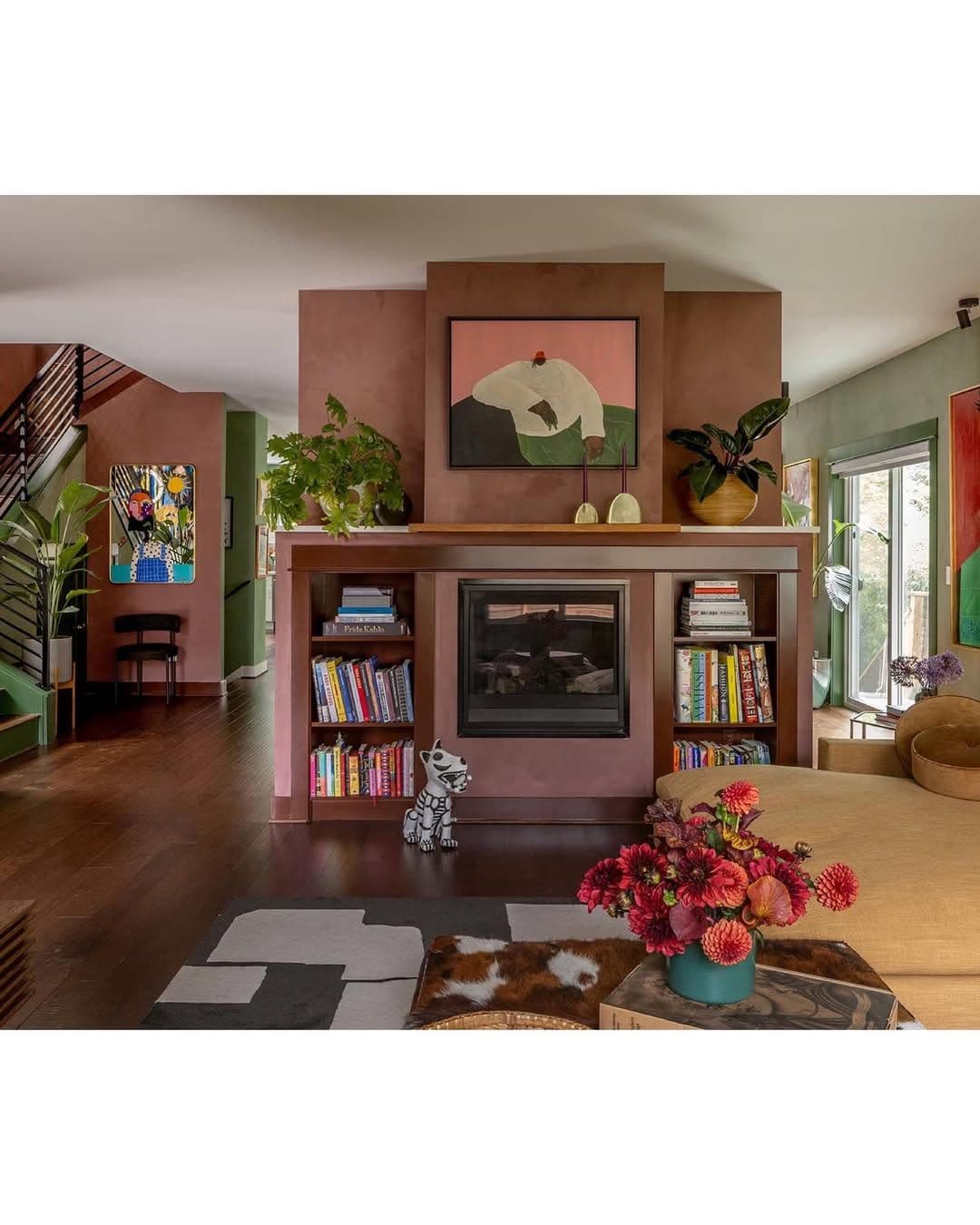
photo credit : @rafaelsoldiphotography
The 80/20 Rule: Let one dominant style take up roughly 80% of the room's foundational canvas (like the large furniture pieces and the primary wall colors). Then, use the remaining 20% for the secondary style via accent pieces, lighting fixtures, and textiles. This creates a curated, intentional tension rather than a visual argument.
3. Play with Texture Over Color
When two people have vastly different color preferences, picking a single wall paint can feel like a diplomatic crisis. The easiest way to create a sophisticated, gender-neutral space that feels equally cozy to both partners is to lean heavily into a neutral color palette but double down on tactile texture.
Texture prevents a neutral room from looking flat, sterile, or boring. Try mixing contrasting elements within the same space:
- Woven woods and cold metals: Place a warm rattan basket directly next to a sleek black steel floor lamp.
- Soften hard, structural edges: Drape a chunky, cream knit blanket over the arm of a rigid, structured leather armchair.
- Layered textiles: Combine airy linen curtains with heavy, luxurious velvet throw pillows.
By keeping the overarching color palette cohesive (think warm taupes, soft creams, charcoal grays, or deep forest olives), you can mix entirely different design eras together, and they will still feel like they belong in the same room.
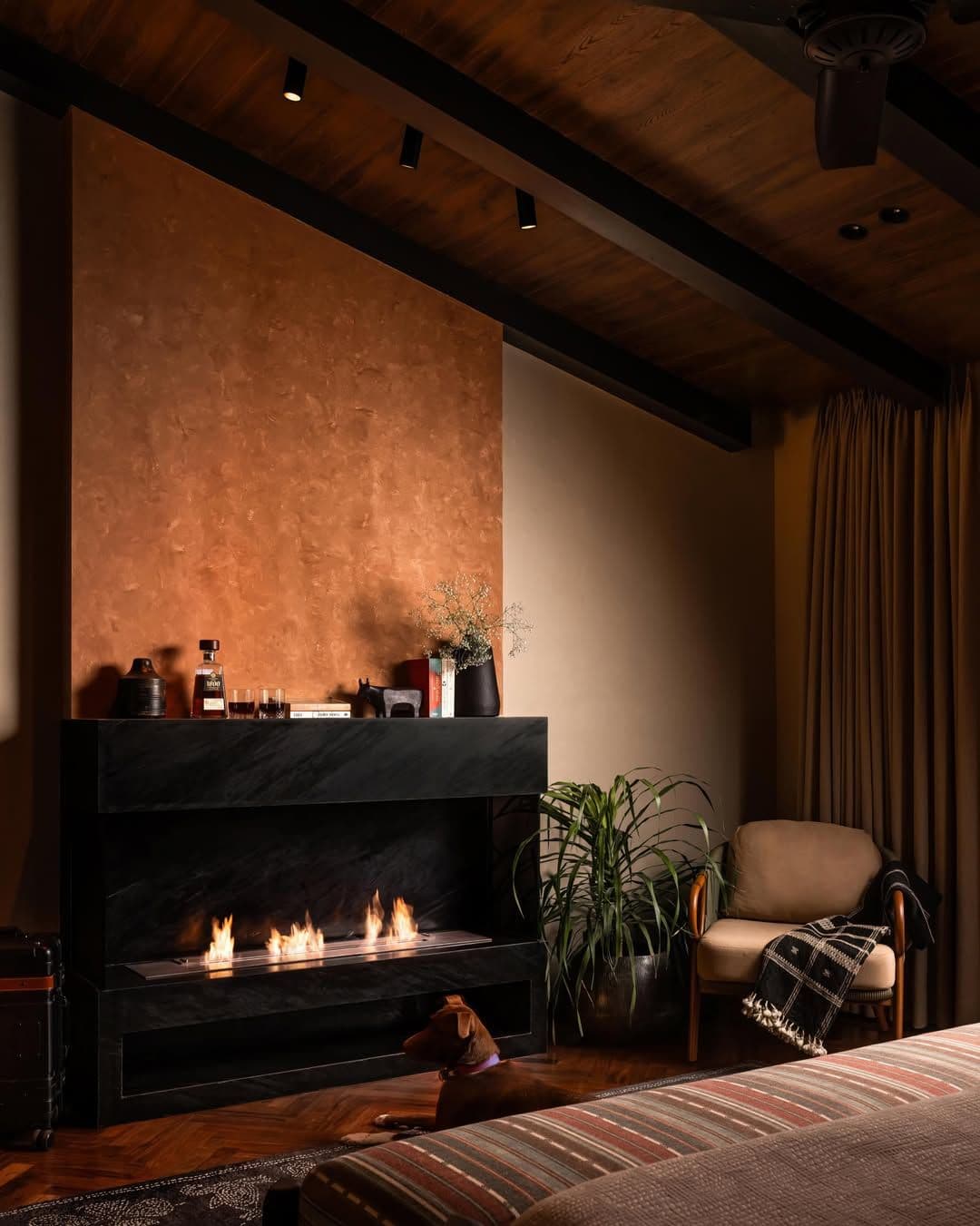
photo credit : @hansoga_photography
4. The Artwork Compromise: Creating a Gallery Wall
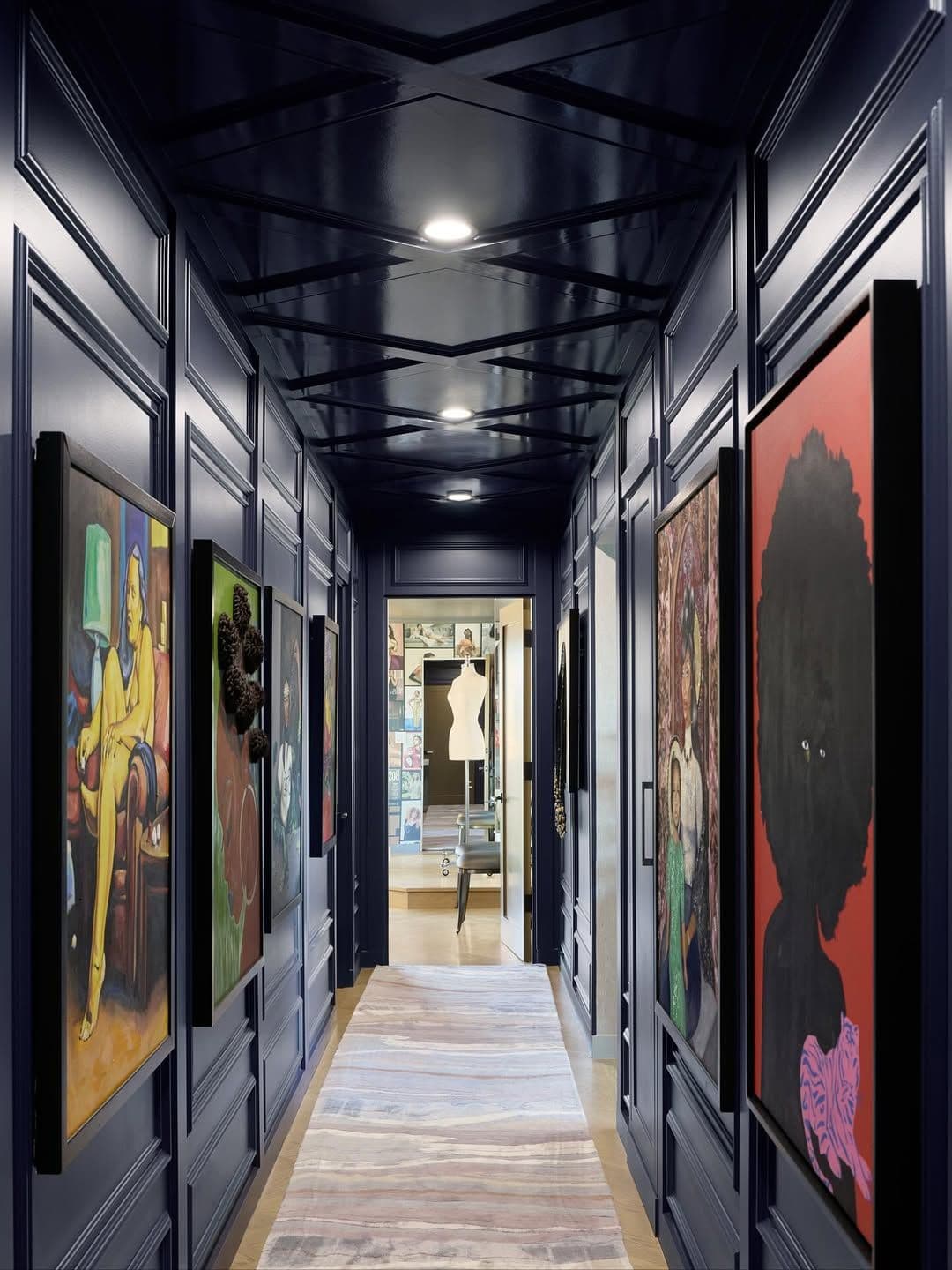
Art is deeply personal, and it’s often the fiercest battleground in newlywed nesting. He might love vintage concert posters, while she prefers abstract watercolor landscapes. Instead of banning one person's taste to the basement or the garage, create a unified gallery wall.
phone credit : @randrinteriordesign
The trick to making mismatched art look cohesive is uniform framing. Buy matching frames in the same color (all matte black, all clean white, or all light wood) but in varying sizes. When you frame a vintage rock poster with the same archival care and elegance as an abstract painting, they instantly rise to the same visual tier. Hanging them together tells a beautiful, eclectic story of two distinct lives weaving into one.
5. Bring the Registry into Daily Rotation
Your kitchen and dining spaces are often the easiest places to start building shared rituals because they are anchored by the items you chose together on your wedding registry.
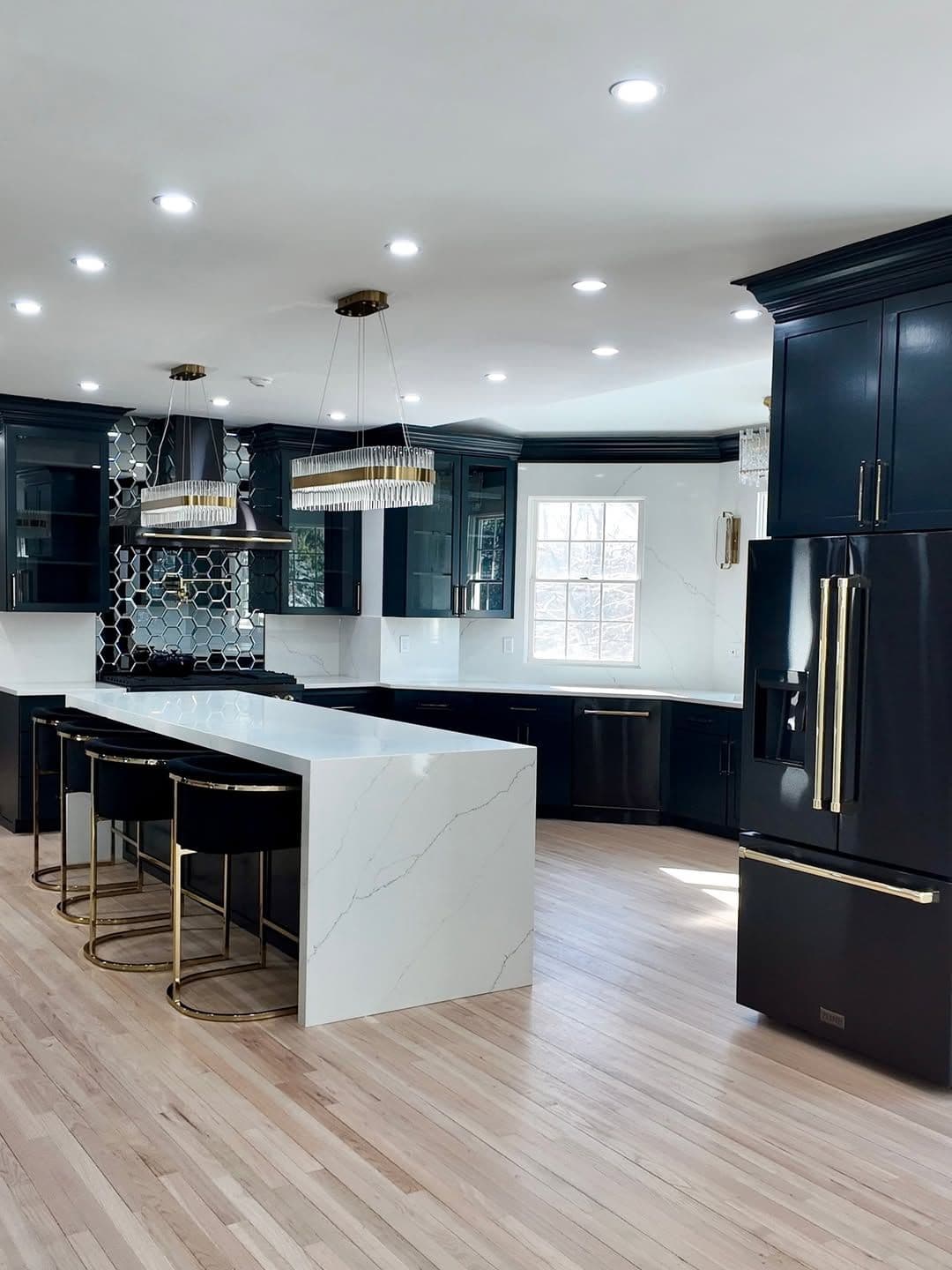
photo credits : @katesamoreid and @zlinekitchen
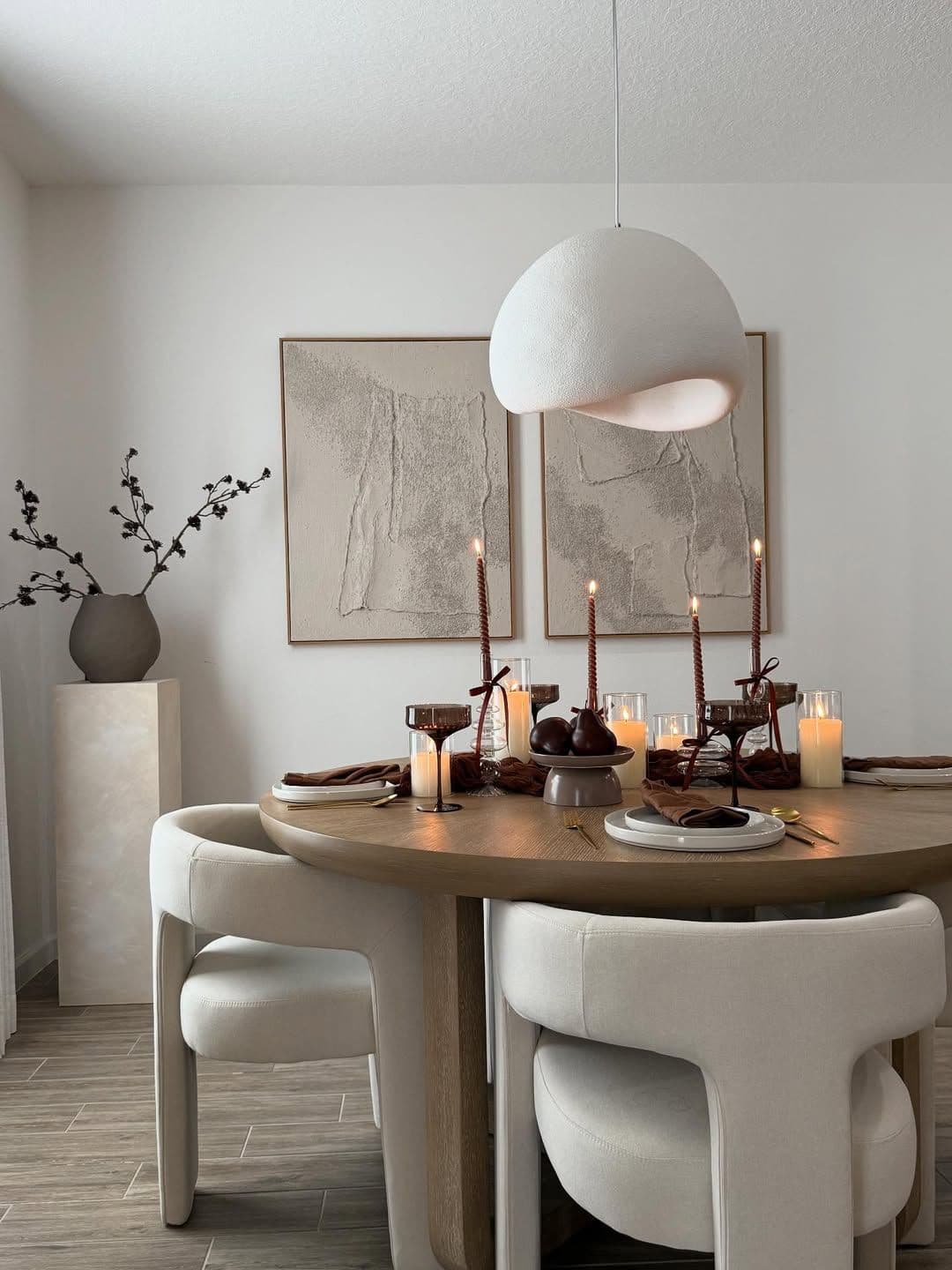
photo from @lauri_b on ig
Don't leave those premium wine glasses, artisanal dinnerware sets, or high-end stand mixers tucked away in pristine boxes waiting for an elusive "special occasion." Nesting is about making everyday life feel a little more celebratory.
Set up a dedicated coffee station with your new espresso machine for rushed weekday mornings. Host a casual Sunday brunch for your close friends using your brand-new cookware. When you actively use the items that your loved ones gifted you to celebrate your union, your house instantly starts to lose that sterile, temporary feel and begins to feel like the true foundation of your family.
6. Lighting as a Mood Lifter
Never underestimate the power of lighting to change how a home feels. If a space feels cold or uninviting to one of you, it’s often not the furniture—it’s the overhead lighting.
Avoid relying solely on harsh, clinical overhead fixtures. Instead, focus on layered lighting. Place lamps at varying heights around your rooms—table lamps on side tables, floor lamps in dark corners, and task lighting under kitchen cabinets. Use warm-white LED bulbs (ideally around 2700K) to create an immediate, inviting glow. Good lighting can soften even the most mismatched furniture, making the entire home feel safe, warm, and distinctly yours.
7. Design a Space for "Me" Within the "We"
No matter how deeply in love you are or how much you enjoy spending time together, everyone needs a little corner of the world that belongs entirely to them. True nesting leaves ample room for individuality.
If your home has the square footage, try to allocate a small zone for each person. It doesn't have to be an entire room; it could be a specific reading chair by a window, a dedicated vanity desk, or a stylized workbench. Having a small, designated area where you have 100% control over the decor gives both of you a sense of personal autonomy. It provides a space to retreat and recharge as you navigate the beautiful, lifelong compromise of building a shared life.
Ultimately, remember that a true home isn’t built or fully decorated in a single weekend. The most beautiful, soul-filled spaces are those that are layered slowly over time—a living mix of where you’ve both been, and exactly where you are going next.

photo credits : couples - @sew_trill and @theartofalbaseer
photography credit : @rafealsoldiphotography
NEXT READ

Unique Nigerian Meals to Include...




Plan Your Dream Wedding with Ease
Give your wedding the unique experience it deserves