
Heart and Soul
THE GUEST-LIST ANCHOR
02:00 mins . by Odiase Amy . Jul 14th 26
Photography: @abrahamsimpaphotography
The art of protecting your emotional energy and staying present in a room of hundreds.
A luxury wedding is, by design, a sensory storm. From the moment you step into your morning suite to the final sparkler exit, your day will be a fast-moving blur of flashing cameras, moving timelines, continuous family greetings, and hundreds of eyes tracking your every movement.
For the modern couple, the greatest luxury on your wedding day isn't the grand floral installations, the couture styling, or the rare vintage champagne. It is presence.
The danger of a high-profile guest count is that you can easily become a spectator at your own celebration, performing for the crowd rather than experiencing the moment. The day can quickly devolve into an expensive theatrical production where you are the lead actors, yet you feel completely detached from the script. To prevent your energy from being entirely scattered, you must identify and place your Guest-List Anchors before the music ever starts playing.
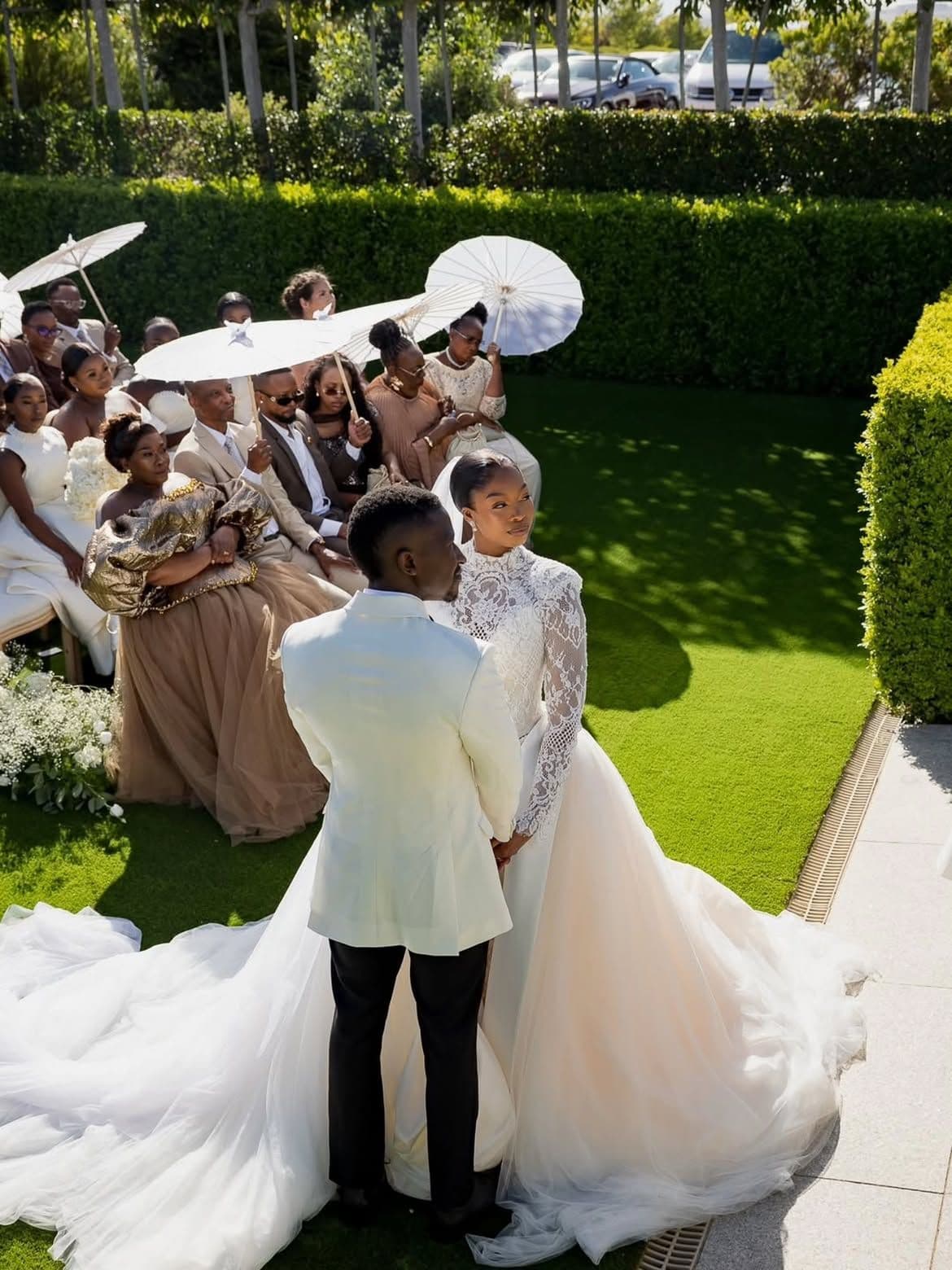
photography: @samanthacliftonphoto
The Science of Emotional Anchoring
Psychologists who study sensory overload note that in environments of high stimulation, the human nervous system looks for familiar, safe markers to self-regulate and stay grounded. If you try to emotionally connect with all two hundred or five hundred guests simultaneously—absorbing their excitement, answering their questions, and receiving their congratulations—you will end the night feeling completely hollowed out.
Your brain simply does not have the emotional bandwidth to process that volume of social interaction in a state of heightened adrenaline.
An Anchor is a specific person in the room whose presence instantly brings your heart rate down, reminds you of who you are outside of the bridal wardrobe, and pulls you back into the current second.
Before the wedding day arrives, you and your partner should sit down with your finalized guest list and explicitly name your anchors. You are looking for three distinct types of human stabilizers:
1. The Core Anchor (Your Partner)
The ultimate anchor is the person holding your hand at the altar. Establish a non-verbal signal before the day begins—a specific double-squeeze of the hand, a certain look, or a touch on the inner wrist. When the timeline feels rushed, when family dynamics get tense, or when the crowd feels overwhelming, use this signal. It is a silent code that says: Stop. Look at me. We are here right now.
2. The Sanctuary Anchors (The Inner Circle)
Identify two or three people—a sibling, a childhood best friend, or a specific mentor—who require absolutely zero performance from you. These are the people who know you deeply, who have seen you at your most unpolished, and who do not need you to be the "perfect bride" or "impeccable groom."
3. The Logistical Shield (The Coordinator or Maid of Honor)
An anchor cannot ground you if they are constantly bringing you problems to solve. Designate one highly capable person whose sole emotional job is to act as a shield, intercepting venue glitches, late vendors, or family seating drama before it ever reaches your ears. They keep your mental space clear so you can actually remain in your body.
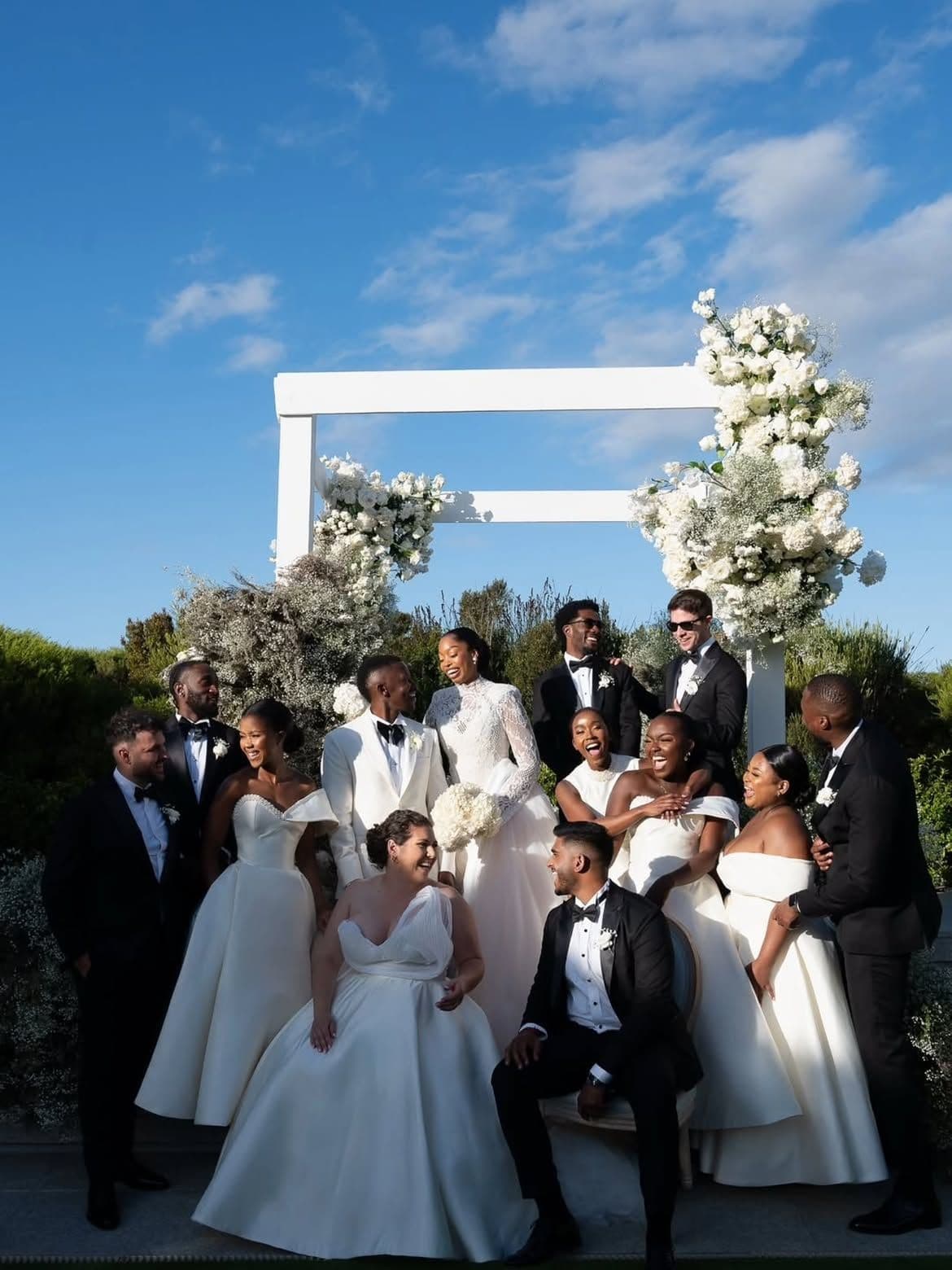
photography: @samanthacliftonphoto
The Presence Practice: Moving from Performance to Sight
To make these anchors work for you throughout the day, you have to transition from passive scanning to active connection.
- The Five-Second Gaze: The natural instinct during a grand reception is to scan the room constantly, waving and smiling at every face to ensure everyone is enjoying themselves. Instead, practice intentional gazing. Choose specific moments—during the speeches, the dinner, or the transitions—to lock eyes intentionally with one of your designated anchors. A five-second look of genuine, silent understanding anchors you more than a hundred casual waves across a crowded ballroom.
- The Post-Ceremony Sanctuary Break: Work a mandatory, non-negotiable ten-minute pocket into your timeline immediately after the ceremony. Do not go straight to photographs, and do not head immediately to cocktail hour. Retreat to a private room with just your partner and your inner-circle anchors. Drink a glass of water, sit in the quiet air, look at each other, and let the reality of what just happened sink in before you step back out into the theater of the crowd.
- The "Grounding Breath" Routine: Whenever you feel the day moving too fast, look at your partner, take a synchronized deep breath, and mentally note three physical things in the room—the weight of your rings, the smell of the florals, and the sound of the ambient music. This simple sensory check-in breaks the runaway train of adrenaline.

photography by @luscasugoweddings
NEXT READ
The Architecture of "We"

Plan Your Dream Wedding with Ease
Give your wedding the unique experience it deserves