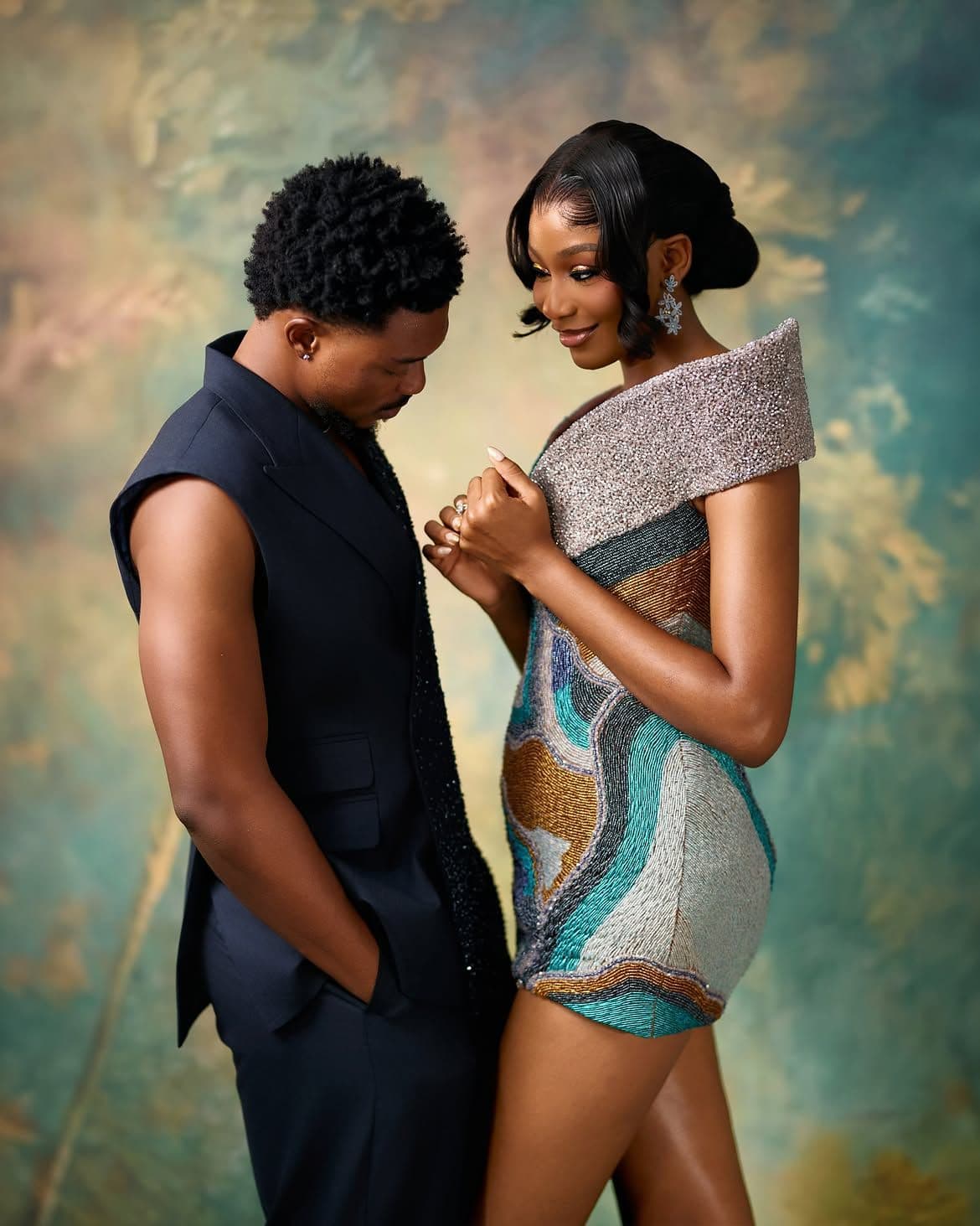
In the upper echelons of contemporary bridal sartorialism, the single-gown wedding is rapidly becoming a relic of the past. Once upon a time, a bride’s style journey concluded the moment she walked back up the aisle, her cathedral-length train sweeping dust and dreams alike. Today, however, the landscape of modern romance has evolved into a two-act play. The second dress is having a moment, redefining the parameters of wedding fashion and transforming post-ceremony receptions into high-octane fashion runways where freedom, artistry, and unbridled individuality reign supreme.
This is not merely a wardrobe change; it is a profound cultural shift in how brides view ceremony versus celebration.
Why Reception Looks Are Becoming a Major Fashion Statement
The modern wedding reception has long since outgrown the traditional ballroom dinner of yesteryear. It is now an immersive, multi-sensory, editorial production designed with the precision of a Paris Fashion Week presentation. Why reception looks are becoming a major fashion statement lies in the desire for brides to broadcast a secondary, highly curated aesthetic once the solemn vows have been exchanged.
While the primary gown often commands majestic architectural grandeur, traditional weight, and timeless solemnity, the second look opens the floodgates for avant-garde design. Think fluid slip dresses dripping in pearls, structured architectural mini-dresses with exaggerated sculptural sleeves, and razor-sharp silk trouser suits.
Take, for instance, Temitope and her husband, Kazeem, who celebrated their union in Lagos. While Temitope’s ceremony gown was a masterpiece of classic mikado silk with a sweeping royal train, her midnight reception look was a custom liquid-gold halter dress that caught every flicker of the ambient lighting as they entered their reception. "The ceremony dress was for our heritage and our parents," Temitope reflects. "The second look? That was entirely for the fashion history books."
Comfort, Movement, and Personality After the Ceremony
There is an undeniable poetry to heavy boning, structured crinolines, and cascading lace layers during the exchange of vows. Yet, standing at an altar is an exercise in poise; dancing the night away among throngs of cheering guests requires an entirely different physical vocabulary. Comfort, movement, and personality after the ceremony have become the ultimate driving forces behind the second-look revolution.
Brides are no longer willing to spend their first married evening pinned beneath twenty pounds of tulle and internal corsetry. Instead, they are seeking featherweight fabrics that sway with every beat of the DJ’s playlist.
Consider Chinyere, who married her college sweetheart in a sun-drenched destination wedding in Zanzibar. Weighing down her evening was out of the question. She swapped her heavy ballgown for an ethereal, bias-cut silk chiffon gown with an open back and a daring thigh-high slit. "The moment I stepped out of the heavy ceremony dress, I felt lighter than air," she recalls. "I could finally breathe, laugh without guarding my posture, and dance until dawn without missing a single beat."
Dramatic Outfit Changes and Cultural Influences
In an era where weddings are celebrated as rich tapestries of cultural heritage and modern luxury, the transition between looks serves as a powerful medium for storytelling. Dramatic outfit changes and cultural influences have unlocked a thrilling arena of theatricality.
In many contemporary Nigerian and multi-ethnic celebrations, brides honor their roots through regal, heavy traditional ensembles—laden with coral beads, rich hand-woven Aso Oke, or intricately embroidered damask. Transitioning from a dramatic traditional attire or a classic white gown into a sleek, reception-ready silhouette creates an unforgettable, jaw-dropping moment of transformation.
When Amina married Farouk in Kano, her journey involved three distinct chapters. From the majestic splendor of her royal traditional wear, she transitioned into a sleek, modern western gown for the vows, before finally emerging for the late-night after-party in a feathered, crystal-encrusted mini dress. This seamless fusion of cultural homage and high-fashion drama allows brides to honor where they come from while boldly stepping into where they are going.
How Brides Are Using a Second Look to Express Themselves
Ultimately, fashion is the truest mirror of personal identity. How brides are using a second look to express themselves goes far beyond fleeting seasonal trends; it is a profound declaration of self-possession.
When the veil is removed and the formal pressures of the ceremony dissipate, the second dress reveals who the bride is at her core. Whether she leans into minimalist nineties slip dresses, high-octane disco glamour, or edgy, non-traditional silhouettes, this secondary garment tells the unedited story of her style.
As bridal designers continue to push the boundaries of what is possible, one thing remains crystal clear: the second dress is no longer just an optional accessory. It is the defining crescendo of modern bridal style—a celebration of freedom, romance, and uncompromising personal expression.
NEXT READ

The Friendship Pivot: Re-shaping Your...
Plan Your Dream Wedding with Ease
Give your wedding the unique experience it deserves