
Dear Inawo
MY IN-LAWS WANT TO INVITE 200 EXTRA PEOPLE
02:00 mins . by Odiase Amy . Aug 17th 26
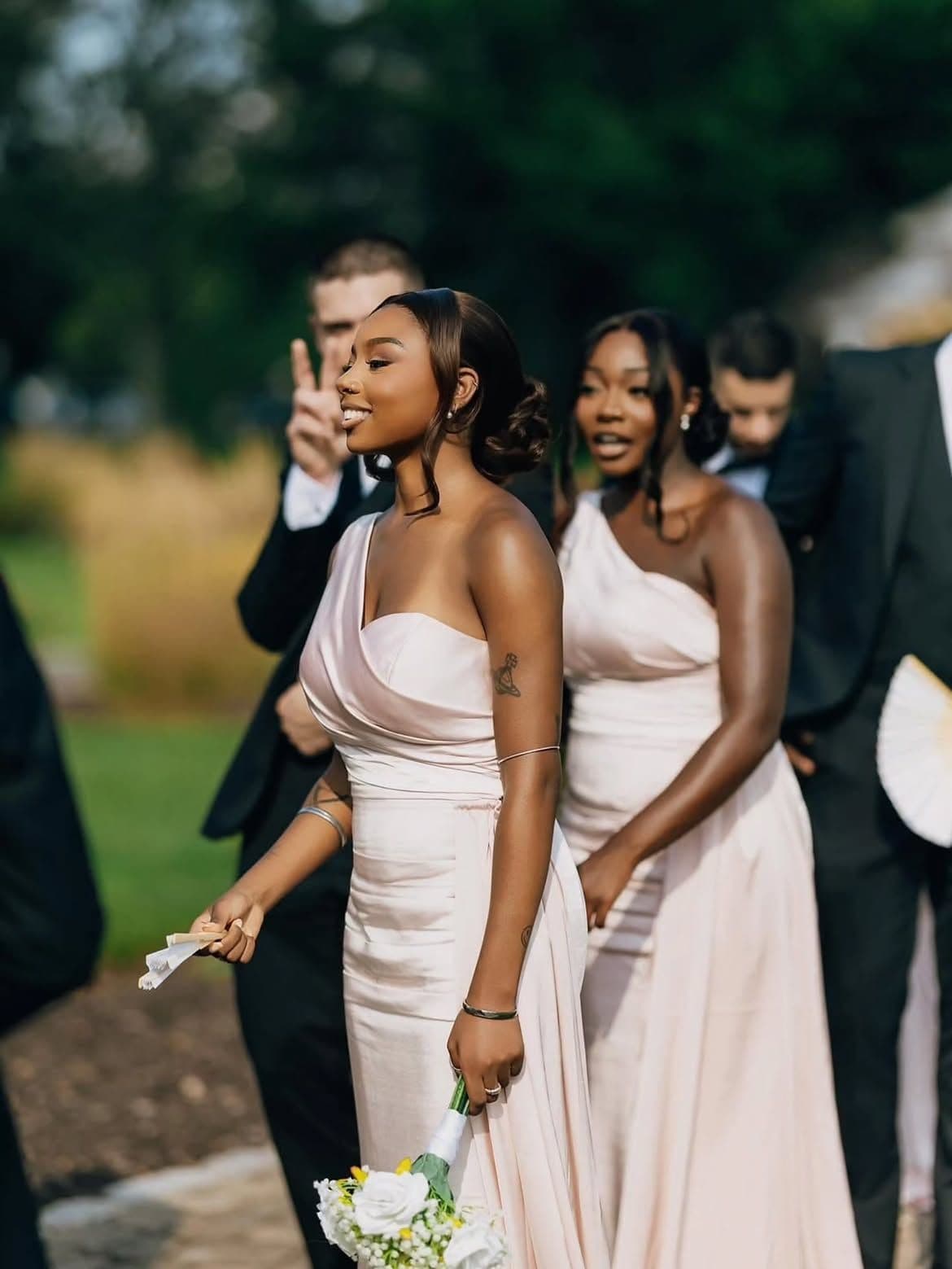
Coco jones
There is a precise moment during wedding planning when every couple realizes that a Nigerian wedding is rarely just about two people in love. Usually, it happens around month four, right when you think you’ve finally settled the guest list. You sit down with a cool glass of water, open your neat little Excel spreadsheet of 150 close friends and immediate family, and feel a brief, naive sense of accomplishment.
Then the phone rings.
It’s your mother-in-law. She is calling to gently, or not so gently, inform you that her church committee, her high school alumni association from 1984, her butcher, and 180 of her "closest personal friends" whom you have never met (and who likely haven't seen her since the late nineties) must be in attendance.
Just like that, your intimate, curated 150-person vision expands into a 350-person festival. Your heart drops into your stomach as you calculate the price of extra jollof rice, additional hall space, and souvenir bags in real time.
Before you panic, pack your bags, or start a cold war with your new family, take a deep breath. Navigating the "In-Law Guest Inflation" phenomenon is an age-old rite of passage. Here is how to handle the sudden invasion of 200 extra people without going broke, losing your mind, or starting marriage with a family grudge.

Coco jones
1. The Realization: Understanding the Cultural Machinery
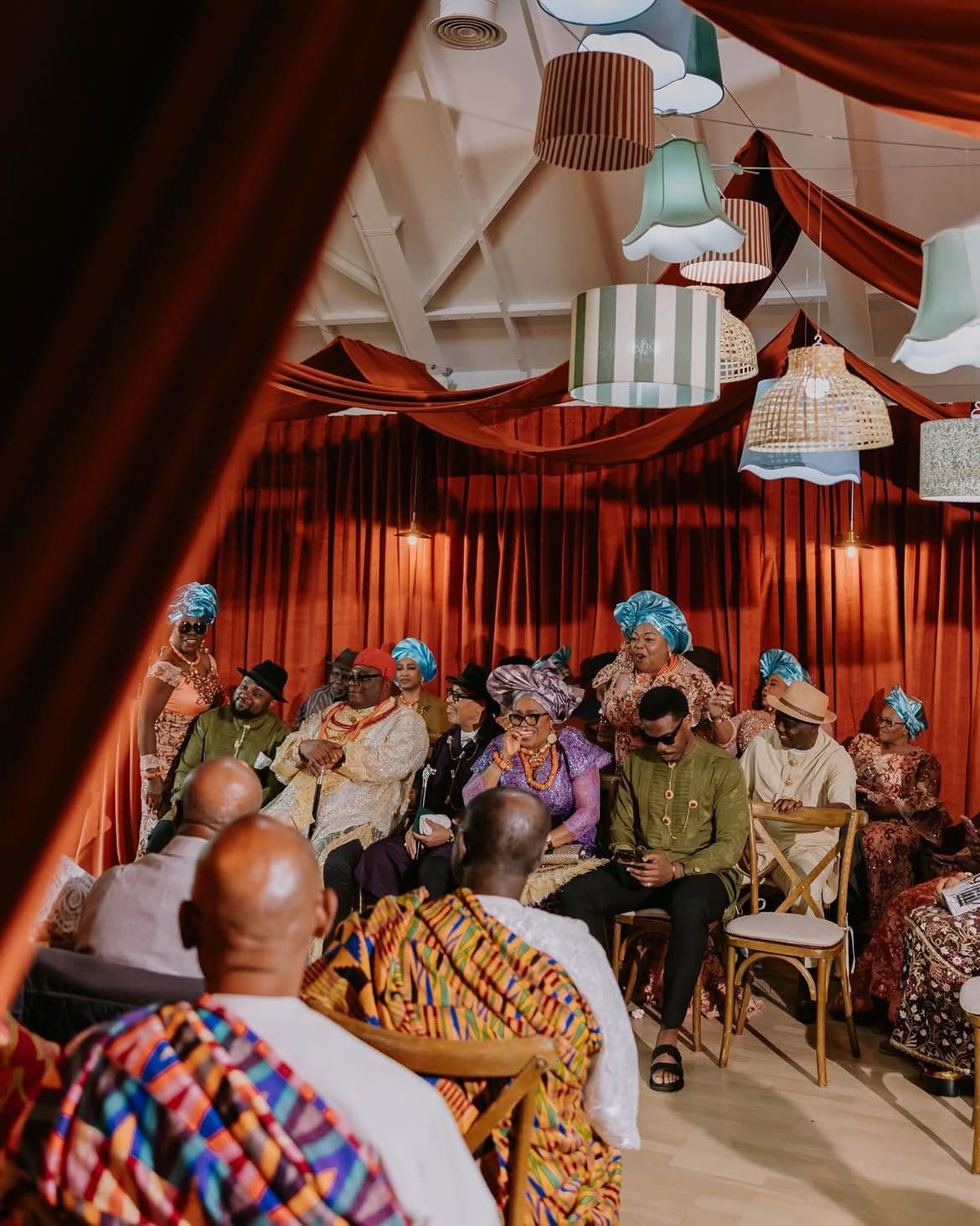
To solve this problem, you first have to understand where it comes from. In many African cultures, weddings are not private parties, they are community victory laps. For your in-laws, your wedding isn't just about celebrating your union; it is their turn to return the favor for the 400 weddings, chieftaincy titles, and birthday parties they have attended over the last thirty years. To them, leaving out Auntie Mummy's second cousin feels like a social crime of the highest order.
Knowing this doesn't mean you have to blindly hand over the keys to your wedding budget, but it does help you reframe the situation. They aren't doing this to ruin your aesthetic or stress you out (even if it feels that way). They are doing it because, in their mind, this is how community shows up.
2. The Golden Rule: Who Pays for the Extra Plates?
Let’s talk about the uncomfortable part first: the money.
If your in-laws are contributing heavily to the overall wedding budget, they naturally expect a proportional say in the guest list. However, if you and your partner are funding the event entirely out of your own pockets, a line must be drawn in the sand.
The standard etiquette rule for unexpected guest inflation is simple: He who expands the list, funds the list.
If your catering cost is $30 (or ₦35,000) per head, an extra 200 people doesn't just mean 200 more chairs. It means:
- A larger venue (or extra marquee tents)
- 20 extra tables, tablecloths, and centerpieces
- More security personnel to stop uninvited crashing
- Additional drinks, souvenirs, and waitstaff
You cannot be expected to take on credit card debt or empty your emergency savings account so your father-in-law’s golf club members can eat free small chops.
If they insist that these 200 people must come, you need to present them with a clear, calm financial breakdown.
The Script to Use:
"We would love to accommodate everyone, but our current budget is strictly capped at 150 guests. For an additional 200 people, the extra cost for catering, seating, and venue scaling comes out to [Insert Exact Amount]. Since we don't have the room in our personal savings to cover this, we are happy to add them to the guest list if you would like to cover the additional cost by [Insert Date]."
Nine times out of ten, when parents see the actual hard number attached to "just a few extra people," that list of 200 suddenly shrinks to a very manageable 25.
3. The Front Line: Your Partner Must Take the Lead
Here is the most crucial tactical rule of wedding planning: You never, under any circumstances, play the 'bad guy' to your in-laws.
If your partner’s parents are demanding 200 extra seats, it is your partner’s responsibility to handle the negotiation. If you do it, you run the risk of being labeled as the "difficult," "uncompromising," or "control-freak" partner for the next fifteen years of family gatherings.
Sit down with your partner first and get on the exact same page. Figure out your absolute hard boundary together in private. Are you willing to compromise on 30 extra people if they pay? Is the venue physically capped at a certain capacity?
Once you both agree on the line, your partner goes to their parents as the spokesperson.
- Wrong Approach: "My fiancé says we can't afford your extra guests and the venue is too small."
- Right Approach: "We've looked at our budget and venue capacity together, and we simply cannot accommodate more than 20 extra guests on our end. If you'd like to add more, we need you to cover the per-head cost by next Friday."
Notice the shift? It presents you two as a single, unbreakable unit.

photography by @artistic.eye_
4. Creative Workarounds: The "Two-Event" Compromise
If you are trying to balance maintaining family peace with keeping your actual wedding day intimate, consider strategic compromises that satisfy cultural expectations without ruining your main event:
- The Traditional vs. White Wedding Split: In many cultures, the Traditional Ceremony (Engagement/Introduction) is naturally designed for the wider community, extended family, and community groups, while the White Wedding or Reception is kept strictly intimate. Let your in-laws go wild with their guest list for the traditional event, but hold a firm, non-negotiable guest cap for the main reception.
- The Tiered Invitation Strategy: Give your in-laws a hard number of "Guaranteed Golden Tickets" (e.g., 30 seats total) that they can allocate to whoever they want. Tell them: "These 30 seats are yours to manage. Whoever you put on this list gets a seat. Once these 30 are filled, the list is closed." Placing the burden of prioritizing their own friends back on them works wonders.
- The Virtual Access Pass: For extended acquaintances, distant colleagues, and tertiary family members, set up a high-quality live stream link. Frame it as an exclusive, convenient way for overseas and distant friends to celebrate with you without the stress of travel.
The Bottom Line
At the end of the day, your wedding is the opening chapter of your marriage, not a public show. Setting boundaries with your in-laws over guest lists isn't being disrespectful, it is healthy practice for the thousands of boundaries you will need to set together over the rest of your lives.
Be polite, be firm, stay unified with your partner, and remember: jollof rice is expensive, peace of mind is priceless, and nobody ever died from missing a wedding reception.

photography by @artistic.eye_

Coco jones
NEXT READ

He Wanted Children. She Wanted...


Plan Your Dream Wedding with Ease
Give your wedding the unique experience it deserves