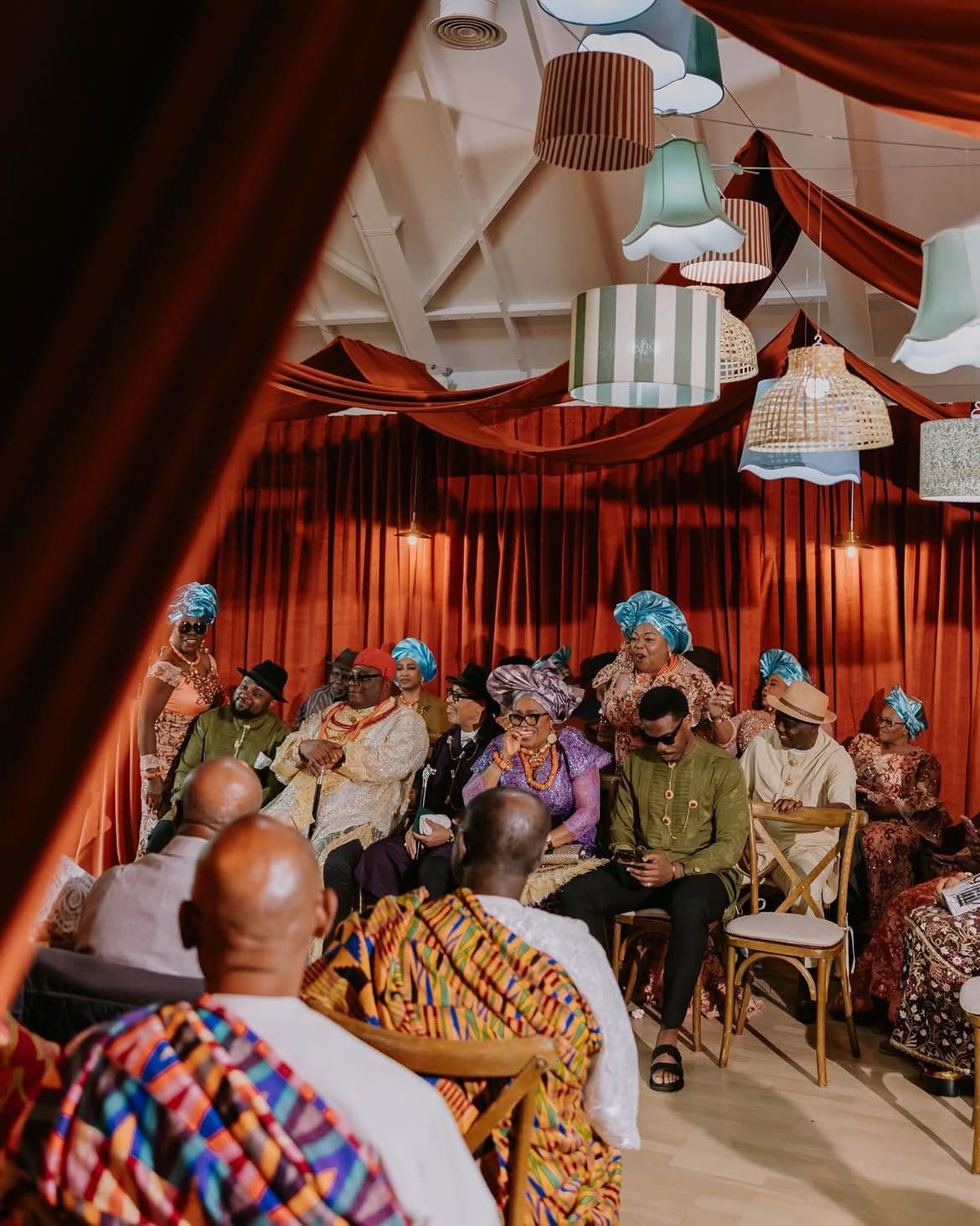
Welcome back to Dear Inawo, your safe haven for unraveling the real, raw, and sometimes complicated realities of Nigerian modern romance and wedding culture. While our magazine pages are often filled with sweeping lace gowns, majestic traditional attires, and breathless love stories, we know that true marriage begins where the romantic fairy tale meets real-life dynamics.
In this feature, we explore one of the most fraught, delicately handled topics in modern West African unions: what happens when you have found the absolute love of your life, but his family feels like an insurmountable wall of friction? Below is a reader’s letter, community reflections, and an extensive guide on preserving your peace and your union.
The Letter
Dear Inawo,
I am getting married in six months to the most incredible man, Osagie. He is thoughtful, emotionally grounded, hardworking, and truly everything I ever dreamed of in a partner. We have built an incredible foundation of trust and friendship over three years, but as our traditional wedding approaches, a shadow has fallen over our joy: his family.
To put it plainly, I am struggling to like them, and I feel deeply uncomfortable around them.
Ever since our formal introduction, his mother and elder sister have treated our upcoming wedding as an arena to assert control and diminish my presence. From passive-aggressive remarks about my career path ("a woman who works such long corporate hours might struggle to build a proper home") to unannounced weekend drop-ins, unsolicited demands regarding our guest list, and subtle slights about my cultural background, every interaction leaves me drained and anxious.
When I try to discuss this with Osagie, he grows visibly uncomfortable, retreats into silence, or gently pleads with me to "just endure them for peace's sake because they are family."
I love Osagie with every fiber of my being, but the thought of spending the rest of my life tiptoeing around people who treat me like an outsider makes my stomach turn. Am I wrong for feeling this way? How do I build a future with a man whose family feels like a constant source of tension?
Anxious Bride-to-Be in Ab
uja
What the Community Had to Say
When this letter was featured on our interactive digital platform, the response was swift, passionate, and deeply relatable. In-law relationships remain one of the top stressors for newlyweds in our culture, and our readers offered varied perspectives:
- "This situation is a major red flag—not just because of the in-laws, but because Osagie is asking her to 'endure' disrespect before they even walk down the aisle. If he cannot set firm boundaries now, it will only double once children enter the picture." — @kemi_o_living
- "In our Nigerian setup, you don't just marry the man; you merge with his lineage. However, merging doesn't mean allowing your mental health to be eroded. The couple needs to form a tight, impenetrable bond before signing that registry." — @chuka_d_advocate
- "I was in this exact position five years ago. My advice? Do not fight his mother or sister directly. Let your fiancé handle his family while you maintain polite distance. Your peace of mind is sacred." — @aminat_lux_bridals
- "The phrase 'endure them' is where the issue lies. Marriage requires compromise, but asking a partner to stomach subtle hostility is a recipe for long-term resentment." — @funke_marriage_notes
When Your Partner's Family Becomes a Source of Tension
In the rich fabric of Nigerian and broader African societies, marriage is rarely an isolated agreement between two individuals. It is traditionally viewed as a union of two extended households, rich with cultural heritage, ancestral pride, and generational expectations. However, this beautiful interconnectedness can quickly turn complex when boundaries are crossed and personal autonomy feels threatened.
Extended family tension typically creeps in through subtle overstepping, unwanted commentary on lifestyle choices, or conflicting traditions. For many brides and grooms, what starts as small compromises during wedding planning can gradually escalate into feeling micromanaged in their personal lives. The key to navigating this tension is recognizing that feeling overwhelmed does not make you a bad partner or an ungrateful in-law; it simply indicates that clear, healthy boundaries need to be drawn to protect the marital ecosystem.
Setting Respectful Boundaries with Relatives
Boundaries are often misunderstood as cold barriers meant to exclude people, but in truth, they are protective frameworks that teach relatives how to interact with your new home in a way that preserves harmony. Setting boundaries with relatives requires a blend of unwavering unity, high emotional intelligence, and calm consistency.
- Establish the "United Front": The foundational rule of in-law management is that each partner must take primary responsibility for communicating and enforcing boundaries with their own biological family. Osagie must be the one to address his mother and sister directly, protecting his fiancée from direct confrontation or being labeled as "difficult."
- Define Clear Expectations Early: Sit down together and agree on non-negotiable household guidelines. Decide your stance on unannounced visits, financial assistance expectations, holiday schedules, and private family matters. Once agreed upon, communicate these policies warmly but firmly to extended family members.
- Practice Polite, Measured Distance: You are obligated to treat your partner’s family with honor and respect, but you are not obligated to subject yourself to toxic environments. It is completely acceptable to step back from unnecessary daily group chats or frequent visits when dynamics become overwhelming.
Supporting Your Partner Without Attacking Their Family
Navigating in-law friction requires extraordinary delicate grace because you are discussing the people who raised, protected, or grew up alongside the person you love. Direct, harsh attacks on a partner's family almost always trigger defensive instincts, placing them in an agonizing position where they feel forced to choose between their spouse and their roots.
To maintain a strong connection while addressing genuine concerns, transform how you communicate:
Shift from Character Attacks to Impact Statements: Avoid broad generalizations like "Your mother is toxic" or "Your family hates me." Instead, express how specific behaviors affect you: "I felt disrespected when those comments were made about my career, and it leaves me feeling unsafe and anxious in family settings."
Acknowledge Their Position: Recognize that your partner may be unlearning decades of family conditioning or fear causing familial rift. Show empathy for their difficulty while remaining firm on the need for protection.
Invite Collaboration: Frame the issue as a joint problem to solve together rather than a battle against his lineage. Ask questions like, "How can we handle these situations together as a team so neither of us feels caught in the middle?"
Knowing When Family Conflict Needs Deeper Conversations
While minor misunderstandings can be brushed off with patience, persistent disrespect or systemic interference requires deeper intervention before walking down the aisle. Ignoring foundational rift before the wedding day rarely solves the issue; more often, it amplifies it once the high of the wedding subsides.
It is time for serious, structured conversations—and potentially professional pre-marital counseling—if you observe the following warning signs:
- Your partner consistently minimizes your emotional distress and prioritizes pleasing extended family over honored agreements between the two of you.
- Extended family conflicts are causing repetitive, circular arguments that erode trust and affection in your relationship.
- You feel a lingering sense of dread or anxiety at the prospect of family gatherings, or feel compelled to hide your authentic self to keep the peace.
In these moments, take a step back with your partner away from external noise. Revisit the essence of your marriage vows: while honor is due to parents and extended relatives, your primary covenant, loyalty, and protection belong to the nuclear unit you are stepping out to build together.
In Summary
Protecting your marital peace while honoring extended family requires deliberate action and shared conviction:
- Acknowledge the Friction: Address in-law strain openly and early before small grievances transform into deep-seated resentment.
- Enforce Boundaries Together: Maintain clear, polite limits, ensuring each spouse takes the lead in managing communication with their own family.
- Focus on Behaviors, Not Character: Frame discussions around specific actions and emotional impact rather than attacking your partner's family members.
- Prioritize Your Marriage: Reaffirm continuously that your shared life, emotional safety, and marital union take precedence over external expectations.
NEXT READ
Dear inawo: behind the veil



Plan Your Dream Wedding with Ease
Give your wedding the unique experience it deserves