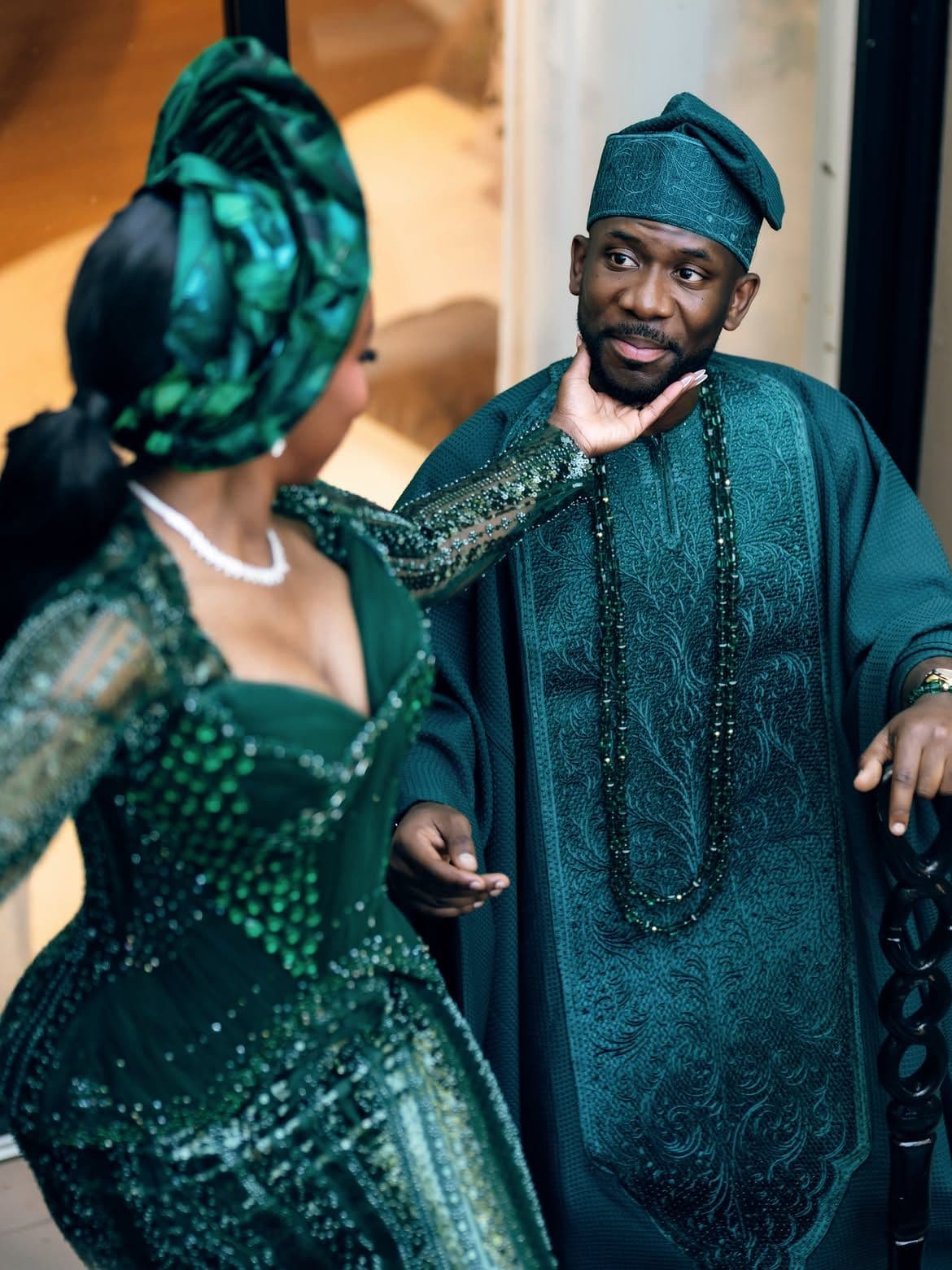
It starts innocently enough, a shared venue search over Sunday dinner, a laugh over a pastel color palette, a mutual promise that this will be fun, stress-free, and effortless. But somewhere between comparing linen textures, triaging vendor deposits, and reviewing contract fine print at two in the morning, a quiet, insidious shift happens. You look around, and suddenly you are the sole project manager, administrative assistant, and creative director of your own wedding.
You find yourself staring at a glowing spreadsheet at midnight, cross-referencing catering minimums and keeping track of RSVPs, while your fiancé sits on the couch three feet away, completely oblivious to the fact that a debate over napkin fold geometry is slowly unspooling your sanity.
When you seek relief, asking for a simple opinion on table runners or lighting options, you receive a gentle, well-meaning shoulder shrug accompanied by a affectionate smile: "Whatever you want, babe. It's your day, I just want you to be happy."
It is meant as a gesture of unconditional love and freedom, but in the trenches of event execution, it feels suspiciously like abandonment. It leaves you carrying the emotional and logistical weight alone, wondering: How did I become the sole CEO of this entire operation? And more importantly, how do I get my partner off the spectator bench and back into the ring?
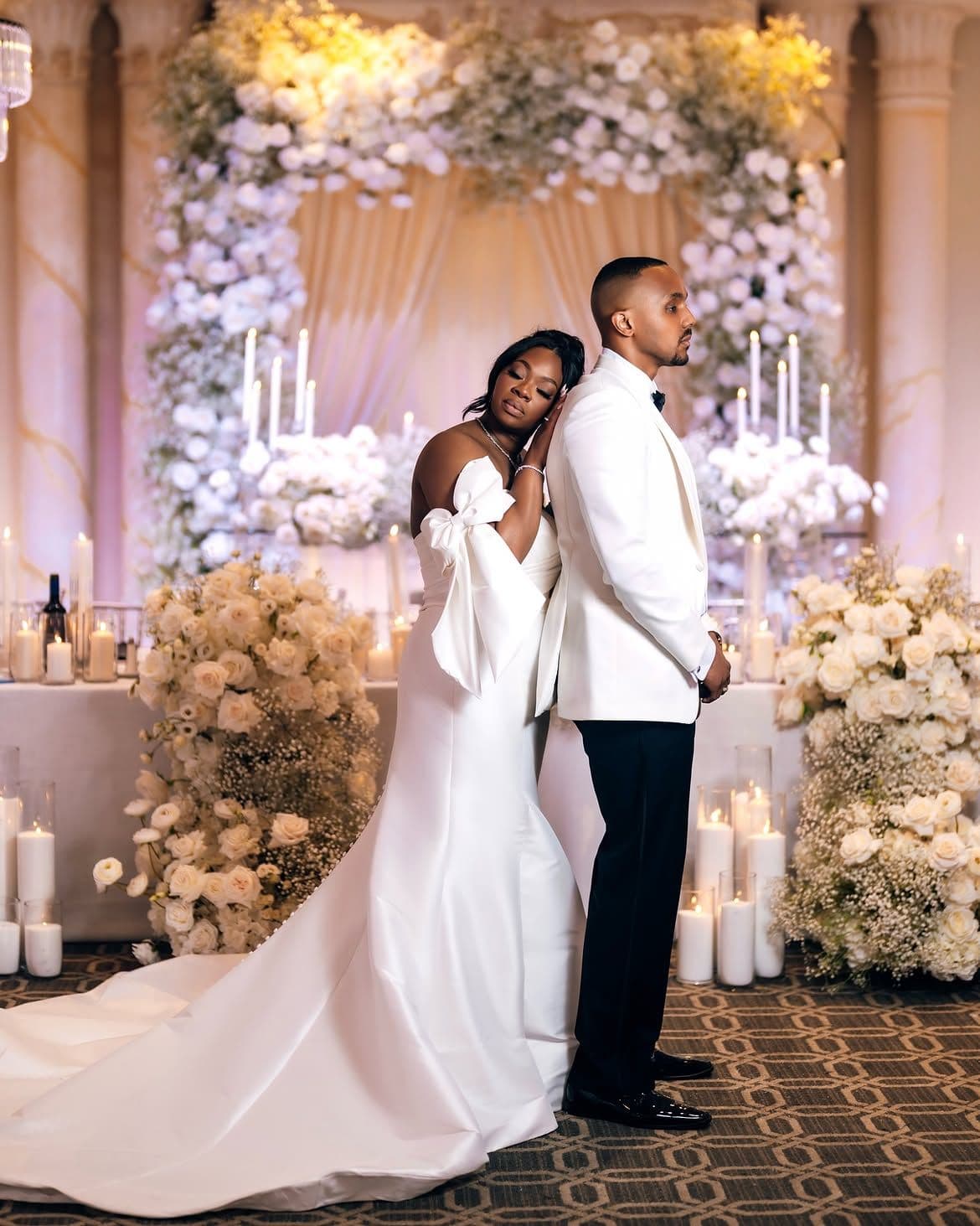
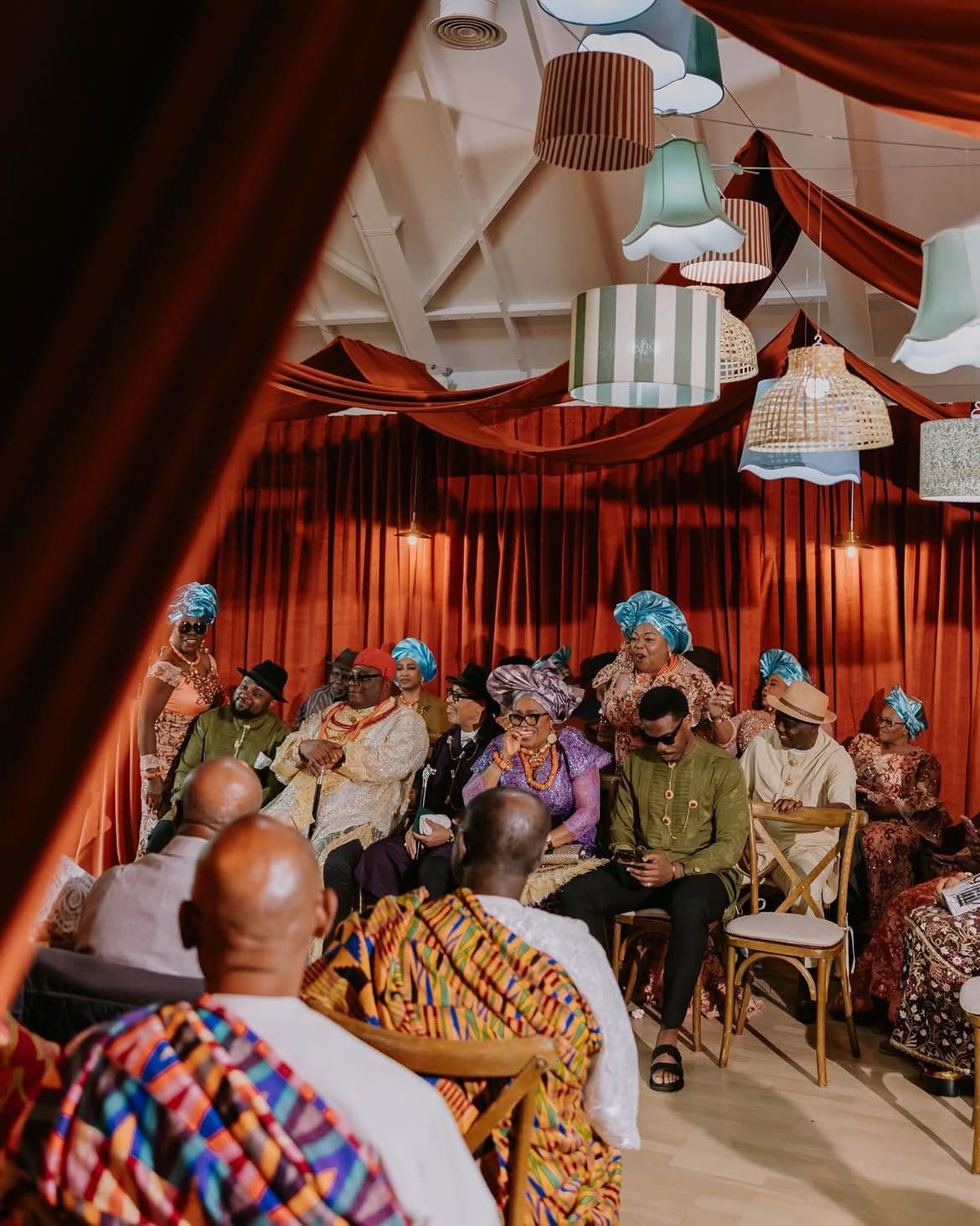
Photographer @mcblithe
The Hidden Psychology of the 90/10 Imbalance
When one partner absorbs ninety percent of the wedding planning load, it is rarely due to a lack of love, dedication, or excitement for the marriage itself. More often, it stems from a silent breakdown in how culture, social expectations, and personal communication styles approach large-scale life milestones.
For generations, mainstream media and bridal culture have systematically conditioned society to view a wedding as the bride's personal canvas, a fairytale event designed by and for one person. In this outdated narrative, the partner is framed as a passive participant whose primary duty is simply selecting a suit and showing up on time.
This cultural script creates a deep imbalance in psychological ownership from day one:
- The Weight of Unspoken Judgment: One partner feels the intense pressure of social scrutiny, knowing that family members, friends, and guests will quietly evaluate the decor, organization, and atmosphere. This triggers hyper-vigilance and meticulous micro-management.
- Disempowerment Through Deferral: The other partner internalizes the idea that their aesthetic taste is secondary or unwelcome. Fearing they will "pick the wrong thing" or disrupt their partner's dream vision, they step back entirely, mistaking passive deference for respect.
- The Invisible Labor Trap: Wedding planning is ninety percent administrative follow-up, tracking invoices, drafting seating charts, sending reminder emails, and managing timelines. If one partner naturally possesses stronger organizational habits or higher anxiety about deadlines, they automatically absorb these micro-tasks. Before long, that initial helpful initiative hardens into an expected role, leaving one person acting as the unpaid executive producer.
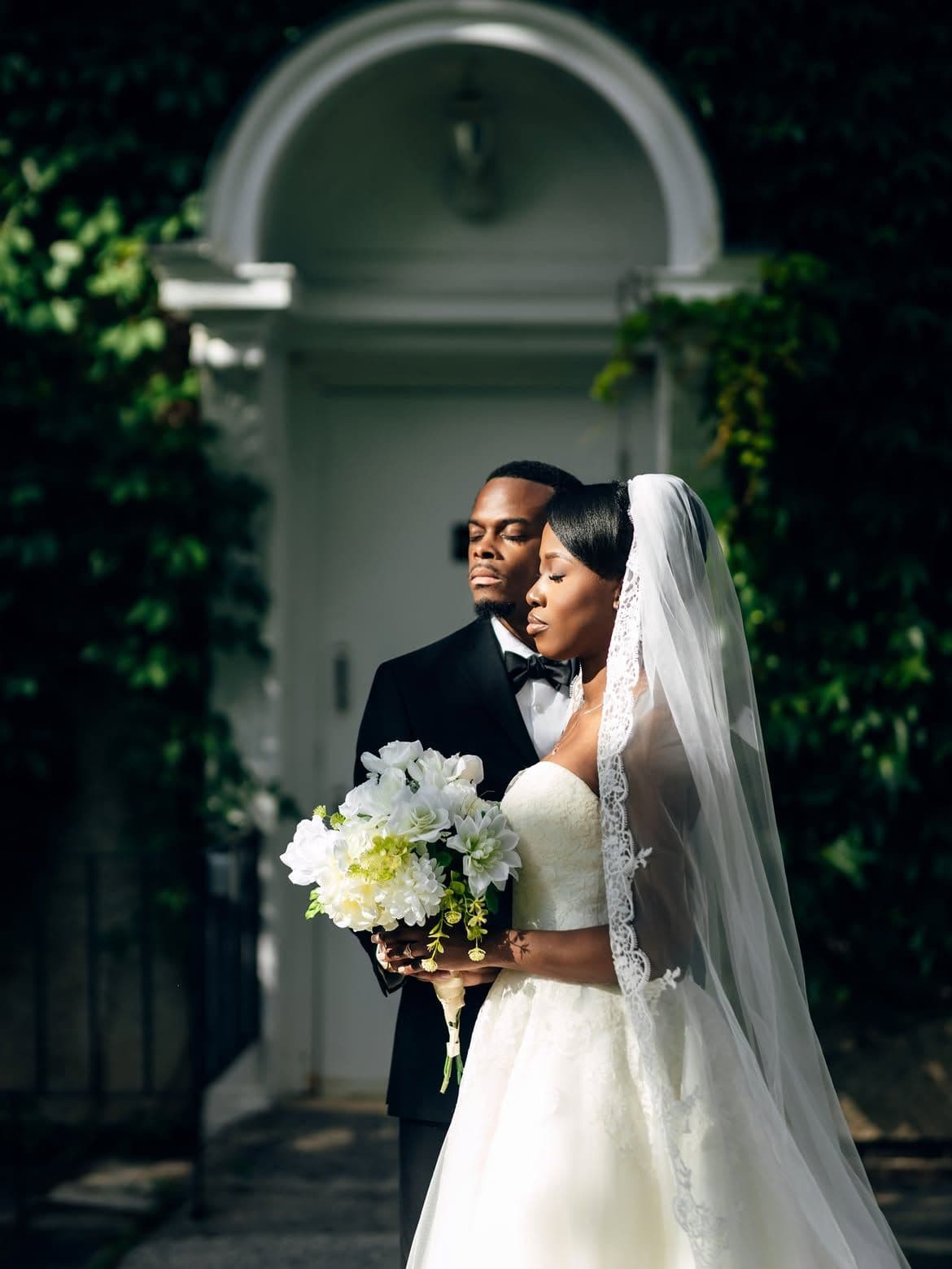
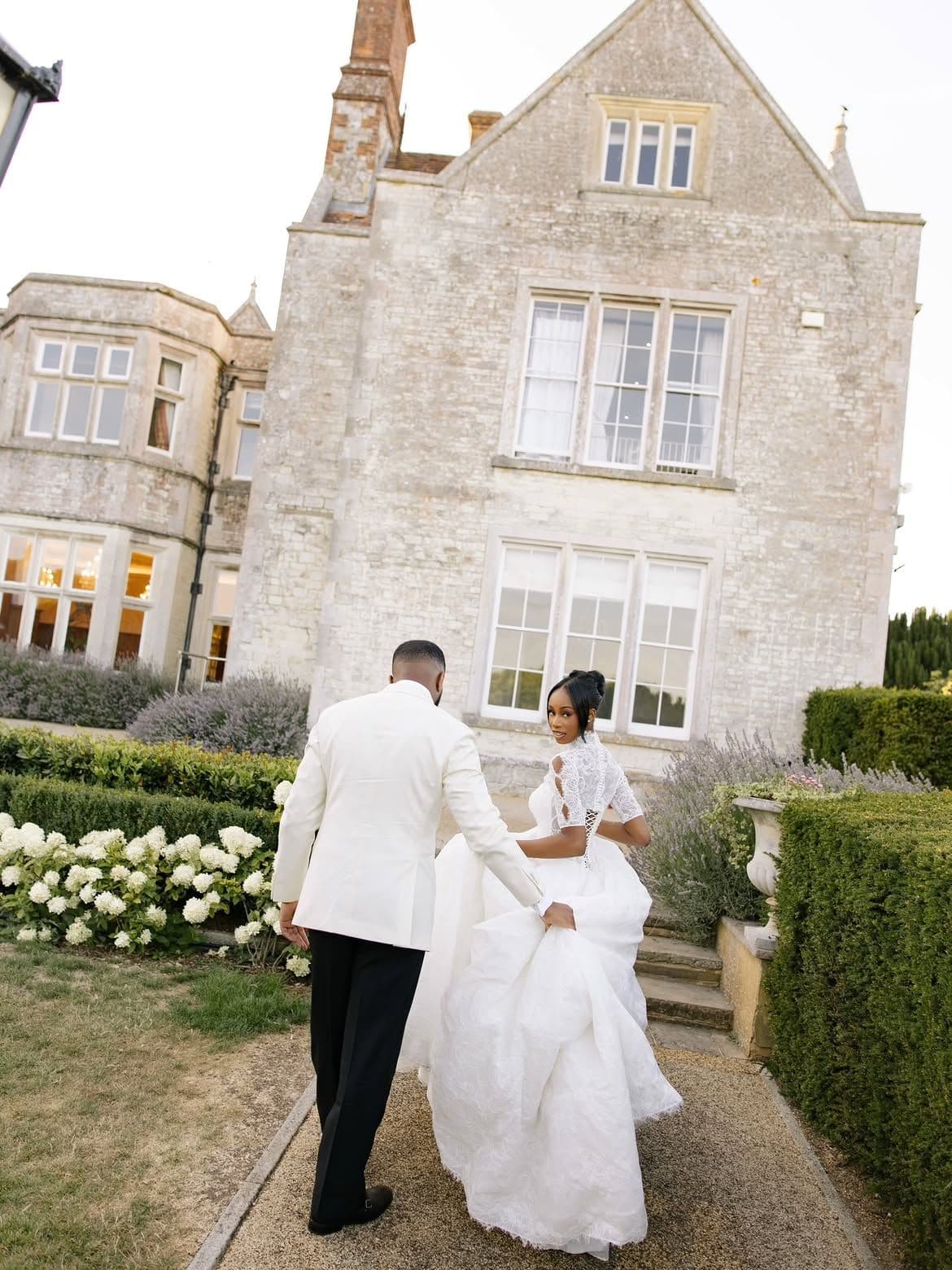
Photographer @mcblithe

Photographer @mcblithe
Dismantling the Manager-Employee Dynamic
The moment wedding planning begins to feel like a performance review, resentment takes root. When you find yourself creating daily to-do lists, setting deadlines, and checking up on your fiancé like a boss managing an intern, you reinforce passive behavior. To get your partner truly invested, you must dismantle the manager-employee dynamic and restore equal co-ownership.
1. Assign Complete Categories, Not Fragmented Tasks
Instead of asking your fiancé to "call two florists" or "look over this email draft," hand over entire operational departments from concept to execution.
- If your partner takes ownership of the music and guest experience, they research the DJs or live bands, manage the allocated budget for that line item, lead the consultation calls, and finalize the contract.
- When someone owns an entire category end-to-end, they stop feeling like an assistant executing orders and start feeling like an architect building an experience.
2. Capitalize on Natural Strengths and Genuine Passions
A wedding is far more than florals, stationery, and color schemes. It is a complex production involving contract negotiation, acoustic design, mixology, hospitality, spatial layout, and financial forecasting. Align planning responsibilities with what your partner actually cares about in daily life:
- The Foodie: Put them in full charge of menu curation, wine pairings, and tasting logistics.
- The Strategist: Let them helm the main budget ledger, contract reviews, and vendor negotiations.
- The Host: Have them manage guest hospitality, transportation logistics, welcome bags, and lodging arrangements.
3. Step Back and Relinquish Micro-Control
This is often the hardest part for the partner carrying the 90% load: you must allow them to execute their category in their own way. If your partner is in charge of the rehearsal dinner venue, resist the urge to step in and fix their choices simply because they aren't doing it the exact way you would. Investment requires authority. If every decision they make is met with critique, they will quickly retreat back to safety on the sidelines.
Establishing Healthy Digital and Emotional Boundaries
When wedding planning leaks into every dinner conversation, late-night pillow talk, and weekend drive, it creates decision fatigue. Eventually, one or both partners tune out simply to preserve their peace.
To protect your relationship and re-engage your fiancé, implement structural boundaries:
- The Weekly "Board Meeting": Designate a specific, recurring time, such as a 45-minute window on Sunday mornings over coffee, to discuss wedding logistics, review updates, and make decisions. Outside of this dedicated window, wedding talk is strictly off-limits unless urgently required.
- Shared Digital Workspaces: Stop sending endless text messages with links and screenshots throughout the workday. Use a central, shared digital dashboard (like a joint Trello board, Notion hub, or shared Google Drive) where both of you can log notes, track deadlines, and review options on your own time without constant pinging.
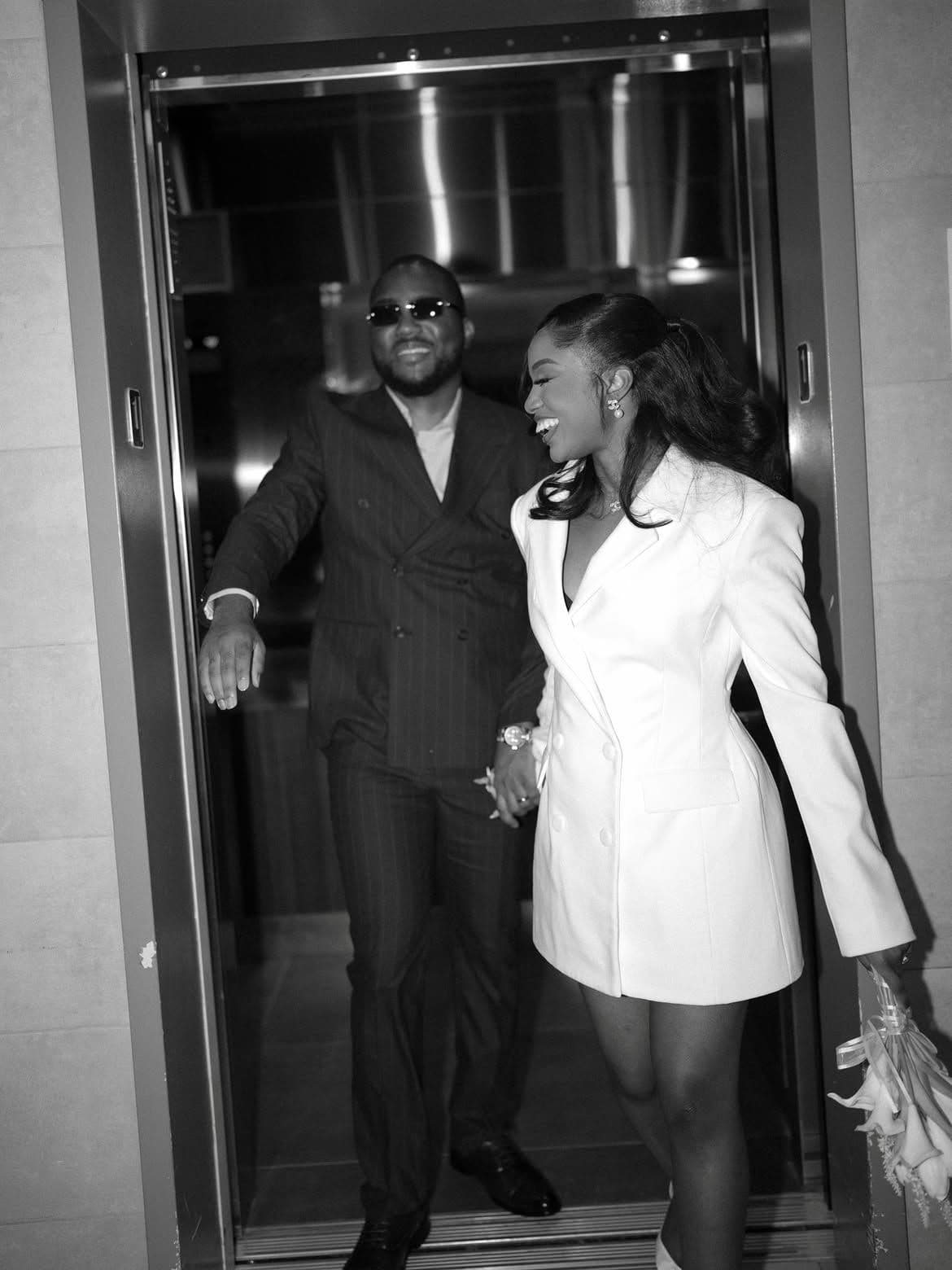
Photographer @mcblithe
Reclaiming the Marriage Behind the Celebration
A wedding is not merely a single day of aesthetic perfection; it is the ultimate stress test for how you and your partner will navigate major life events, financial allocations, family dynamics, and high-pressure logistics for the next fifty years.
When you invite your fiancé back into the process as a true, empowered collaborator, giving them genuine agency, respecting their unique approach, and refusing to carry the burden alone, you transform the process entirely. You stop feeling like a solo architect, and you turn wedding planning back into what it was always intended to be: a joyful, shared creation built side by side.

Photographer @mcblithe
NEXT READ

Our Marriage Is Private. Our...

Plan Your Dream Wedding with Ease
Give your wedding the unique experience it deserves