
Dear Inawo
THE INVISIBLE WOUND: UNMASKING THE SILENT LEGACY OF MALTREATMENT
02:00 mins . by Odiase Amy . Aug 31st 26
Photography @officialbigdealweddings @bigdealoflagos
It often begins not with a raised voice or a physical blow, but with a quiet, heavy stillness in a room where warmth ought to be.
When we hear the word maltreatment, our minds naturally drift toward the visible, headline-grabbing extremes: severe physical harm, deliberate cruelty, or headline cases of extreme neglect. Yet, the true reach of maltreatment is far subtler, vastly more pervasive, and often cloaked in everyday domestic routines. It lives in the quiet invalidation of a child’s emotional world, the slow isolation of a spouse in a controlled relationship, or the forgotten silence of an elderly relative tucked away in a back room.
Maltreatment, in its core essence, is the violation of a fundamental human trust. It is what happens when those responsible for our safety, care, or emotional well-being use their position, consciously or unconsciously, to erode our dignity, safety, and self-worth.
The Architecture of Neglect: Julian’s Story
Consider the story of Julian, a successful thirty-four-year-old architectural designer living in a bustling metropolitan city. To any outside observer, Julian’s childhood was textbook middle-class prosperity. He grew up in a comfortable suburban home, attended good schools, and never missed a meal. His body bore no physical scars.
Yet, Julian spent his adult life carrying a profound, inexplicable sense of emptiness.
"If you asked me five years ago if I was abused, I would have laughed," Julian reflects. "My parents bought me whatever I needed for school. But whenever I felt afraid, sad, or overwhelmed, the response was always the same: absolute silence, or a quick command to go to my room until I could 'be pleasant.' I learned very early that my emotional existence was a nuisance."
Julian was a victim of emotional neglect, a form of maltreatment that is insidious precisely because of what doesn't happen. Unlike physical abuse, which leaves visible marks, emotional neglect leaves an invisible void.
When a caregiver consistently ignores, minimizes, or punishes a child’s emotional expression, the child learns a dangerous lesson: My feelings do not matter, and therefore, I do not matter. As adults, individuals who experienced this form of maltreatment often struggle with severe self-doubt, chronic emotional numbness, and difficulty forming deep, intimate connections. They become masters of self-reliance, driven by an unconscious fear that relying on anyone else will inevitably lead to abandonment.

Photography @officialbigdealweddings and @bigdealoflagos
The Many Faces of Maltreatment
Maltreatment is rarely a single, uniform experience; it manifests across a wide spectrum of human relationships and developmental stages:
Child Physical and Emotional Abuse: Beyond direct physical harm, emotional abuse includes severe verbal degradation, scapegoating, terrorizing, or placing age-inappropriate demands on a child (parentification).
Intimate Partner Coercive Control: In adult relationships, maltreatment often hides behind the guise of protection or intense love. Coercive control involves a systematic pattern of behavior, monitoring movements, restricting financial access, cutting off friends and family, designed to dismantle a partner's independence.
Elder Neglect and Exploitation: As individuals age and become dependent on caregivers, maltreatment can manifest as physical abandonment, withholding medication, basic hygiene neglect, or financial predation by trusted relatives.
Institutional and Workplace Maltreatment: Beyond the domestic sphere, toxic environments in workplaces or care facilities can foster systemic maltreatment,
where power dynamics are abused to intimidate, silence, or exploit individuals who feel powerless to leave.
The Cycle of Transmission: How Unhealed Pain Echoes
One of the most tragic dimensions of maltreatment is its transgenerational nature. Unhealed wounds rarely remain contained within the person who received them; they tend to leak into future relationships.
Take the case of Elena, a mother of two who grew up in an environment where explosive anger and harsh physical discipline were the standard responses to minor mistakes.
"I swore I would never raise my kids the way I was raised," Elena says. "But when my six-year-old dropped a glass of milk on the rug, I felt this blinding, terrifying surge of rage rise up in my chest before I even realized what was happening. I didn't hit him, but I screamed so loudly his hands shook. That was the day I realized that escaping abuse isn't just about moving out of your parents' house, it's about evicting their voices from your own head."
Psychological research shows that stress responses and defense mechanisms developed in abusive or neglectful environments become hardwired into the nervous system. When individuals who experienced maltreatment are faced with the messy, unpredictable demands of parenthood or partnership, their brains often default to survival modes: fight, flight, freeze, or fawn. Without intentional intervention, the trauma of one generation becomes the behavioral pattern of the next.
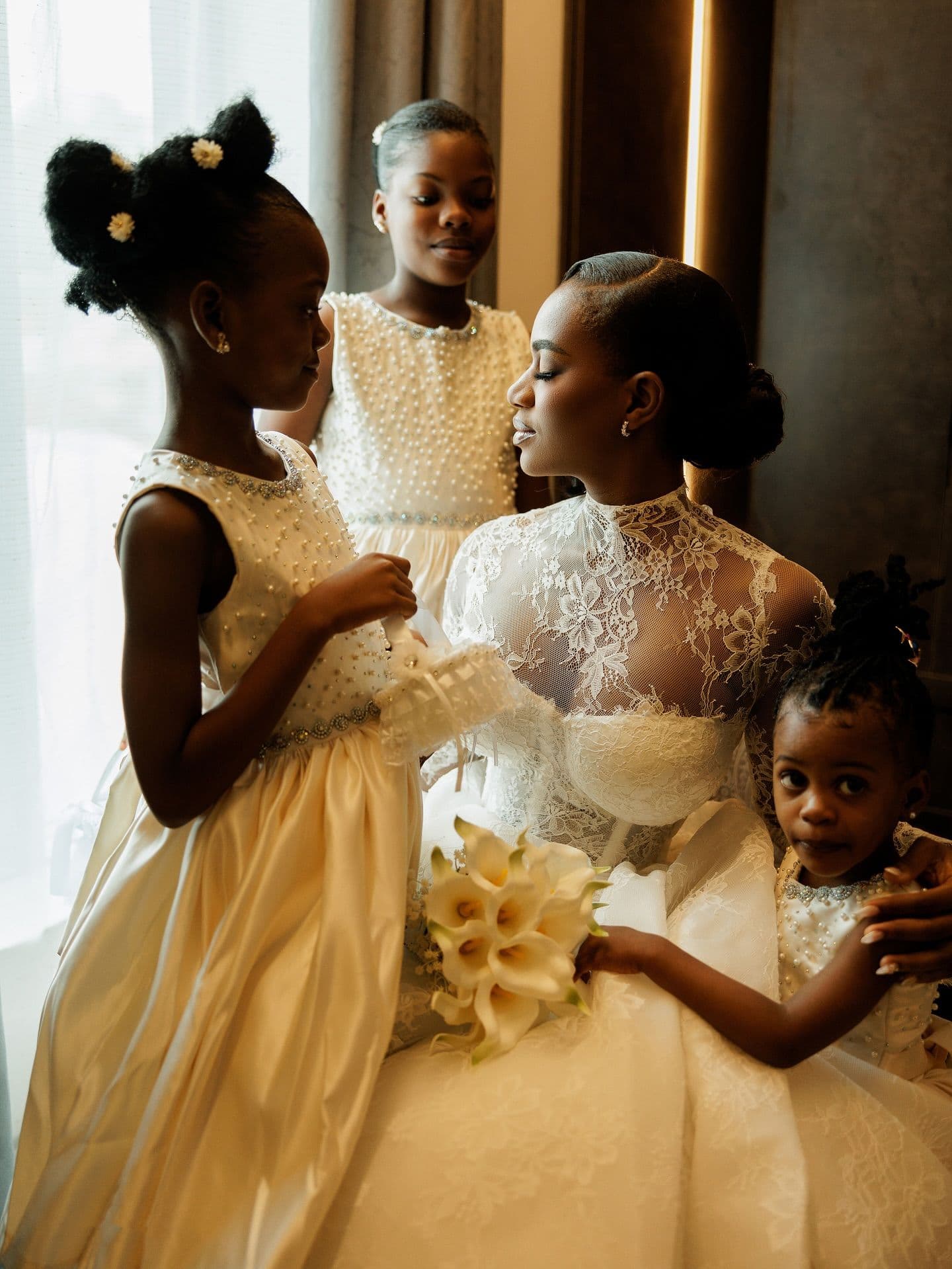
Photography @officialbigdealweddings and @bigdealoflagos
The Path Toward Reclamation and Healing
Overcoming the legacy of maltreatment is neither quick nor linear, but it is entirely possible. Healing requires moving from survival to self-authorship through deliberate steps:
- Naming the Unnamed: The first step in healing from any form of maltreatment, especially subtle forms like emotional neglect or coercive control, is validation. Recognizing that what happened was unfair, harmful, and not your fault breaks the illusion of self-blame.
- Rewiring the Nervous System: Trauma lives in the body. Modalities such as Somatic Experiencing, EMDR (Eye Movement Desensitization and Reprocessing), and trauma-informed therapy help individuals discharge stored survival energy and learn that they are safe in the present moment.
- Rebuilding Boundaries: Victims of maltreatment often have either porous boundaries (allowing others to cross lines easily) or rigid walls (keeping everyone out). Learning to set clear, healthy boundaries is an act of reclaiming personal sovereignty.
- Cultivating Safe Community: Maltreatment happens in relationships, and ultimately, healing happens in relationships. Surrounding oneself with grounded, empathetic partners, friends, or support groups offers the corrective experience needed to rewrite one's understanding of trust.
Maltreatment may shape a person’s early story, but it does not have to dictate the final chapters. By unmasking its hidden dynamics, speaking openly about its impact, and extending empathy to those carrying invisible wounds, we create a culture where healing becomes not just an individual pursuit, but a shared human reality.
NEXT READ

The Friends We Lost


Plan Your Dream Wedding with Ease
Give your wedding the unique experience it deserves